Key Takeaways
-
Know your plant architecture to be reliable and quality. From aggregate storage, cement silos and conveying systems to mixers and an automated control system, everything is integrated for consistent batching, low variability and less manual labor.
-
Engineer storage and handling for precision and neatness. Keep aggregates segregated and dry, size bins for peak demand, and maintain conveyors and silos with dust control, level sensors, and enclosed transfers to protect materials and your environment.
-
Align plant type and mixing technology to project objectives. Choose wet or dry mix, stationary or mobile, batch or continuous depending on output required, mix variability, logistics and site constraints. Then check capacity in cubic meters per hour against schedule-driven pour rates.
-
Designate the mixer to meet product quality objectives. Select twin shaft, planetary, pan, or drum designs according to homogeneity requirements, aggregate grading, and cycle times. Implement regular cleaning to avoid buildup that reduces strength and workability.
-
Control cost and risk with a disciplined selection checklist. Determine production rate, site conditions, utilities, regulatory factors, and total cost of ownership. Then optimize plant layout for short material paths, minimal bottlenecks, and scalable upgrades.
-
Engineered for environmental and safety performance from day one. Add dust collection, water recycling, and compliant discharge. Train teams on guarding, lockout, access safety, and emergency response while implementing automation, digital integration, and sustainable design to future-proof the plant.
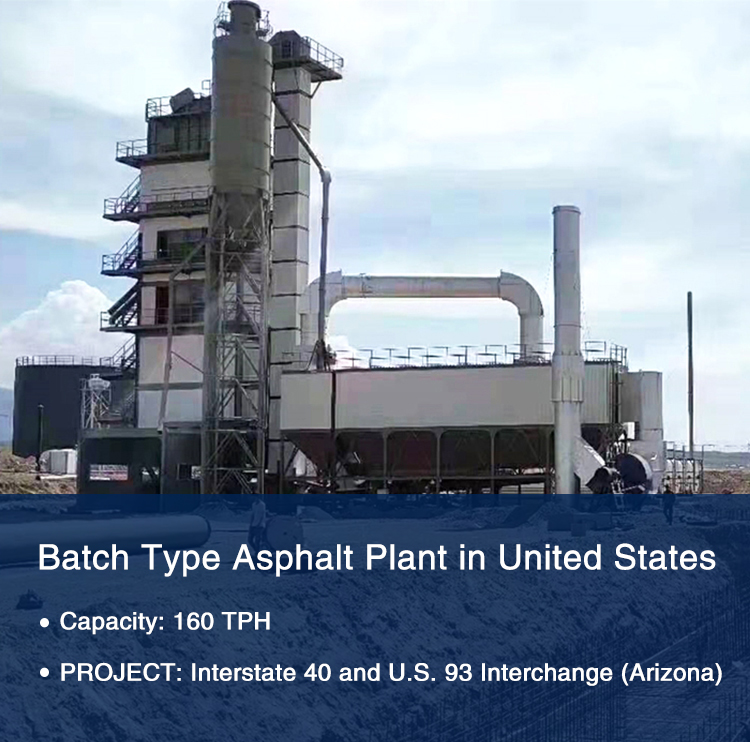
A concrete mixing plant is a facility that combines cement, water, aggregates, and admixtures to produce fresh concrete with consistent quality and fixed mix proportions.
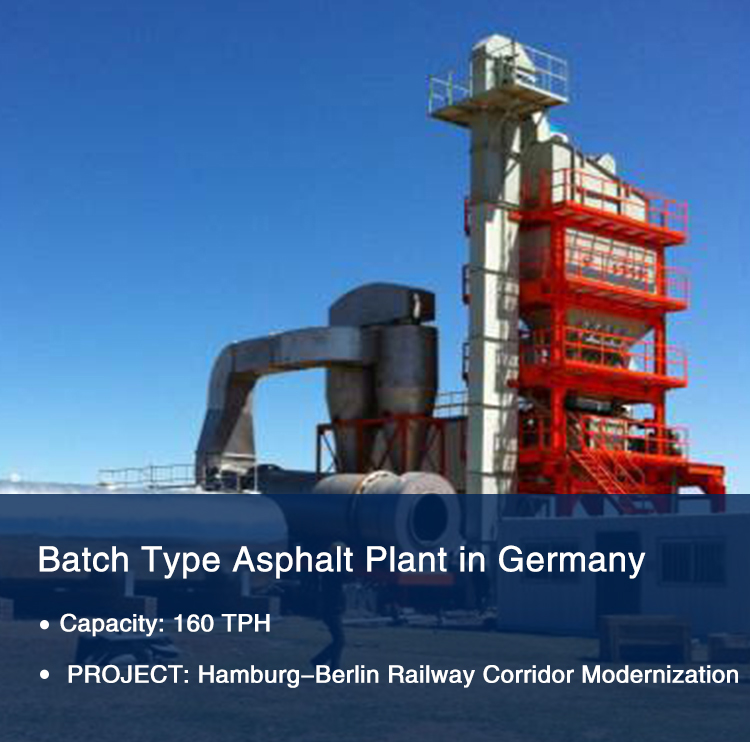
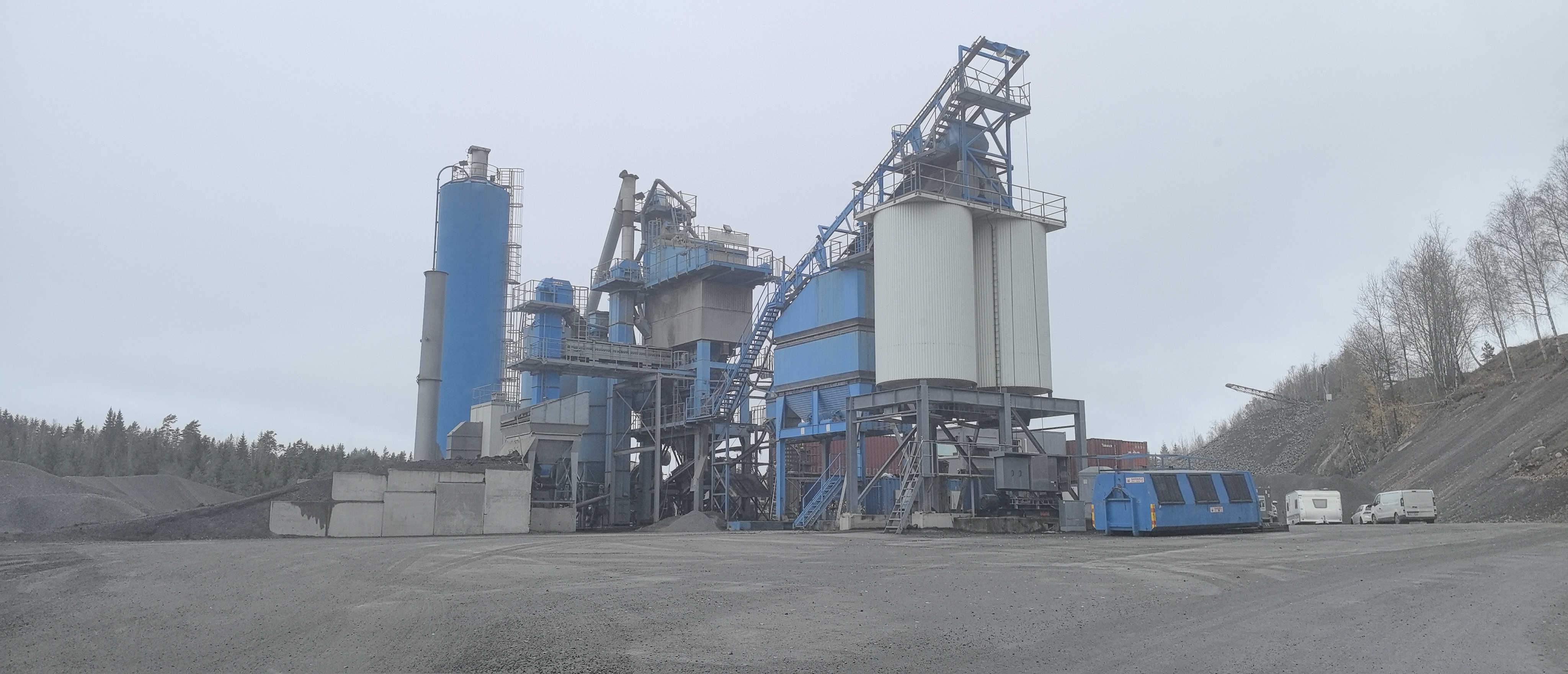
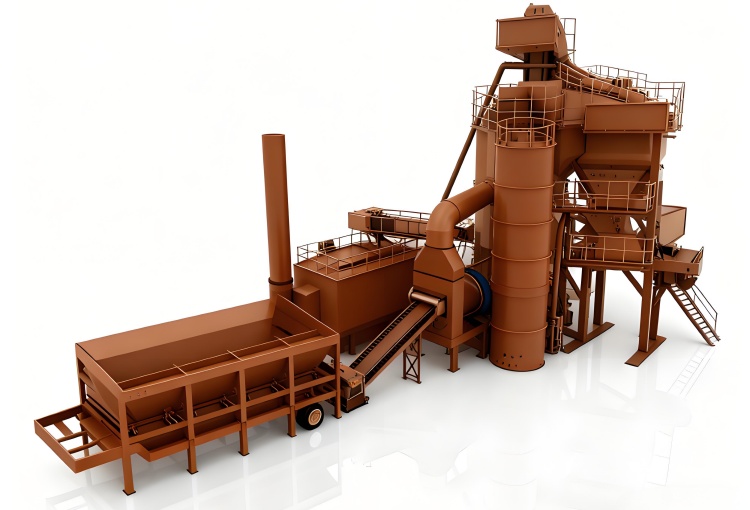
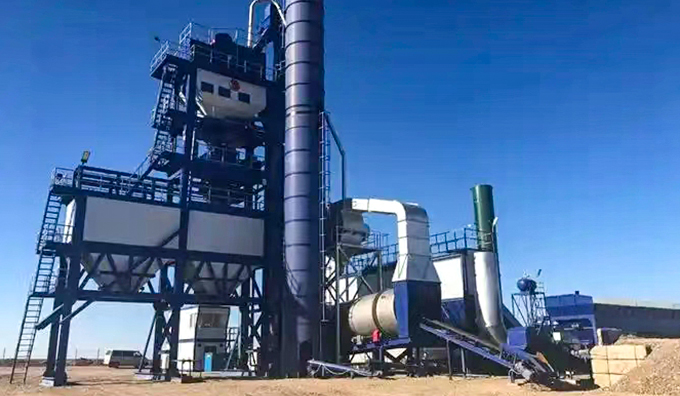
In stationary or mobile configurations, it consists of aggregate bins, belt or skip conveyors, a cement silo, a twin-shaft or planetary mixer, and controls that monitor mass flow, moisture, and batch times.
To hit job specs, operators optimize the water-cement ratio, slump, and admixture dose, while sensors keep the mix within target ranges.
For scale, plants span from compact 30 cubic meters per hour units to massive 180 cubic meters per hour lines, catering to roads, bridges, or high-rise work.
To design or evaluate a plant, critical checkpoints include productivity, power consumption, dust suppression, and availability.
The following sections provide more detail around these components and processes.
Core Components of a Concrete Plant
A concrete batching plant integrates five systems into one workflow: storage, conveying, weighing (batching), mixing, and control. Every part must balance, or the concrete mix deviates from specifications. Stationary batch plants are optimal for high volume, long duration runs, while mobile concrete units are ideal for short projects or sites with limited space. Consistent batching, minimal waste, and reliable strength are essential.
Aggregate Storage
-
Ground bunkers with dividers for bulk sand and gravel
-
Overhead cold-feed bins with gates for precise dosing
-
Drive-over hoppers for truck dump and rapid intake
-
Partitioned bins for multiple coarse sizes and manufactured sand
-
Covered bins or silos for wet climates and tight dust control.
Segregation, my friend, kills consistency. Separate compartments and baffled chutes keep drop heights low and limit particle breakage. Protect stockpiles or bins from rain because moisture swings distort mass-based dosing and increase mixing time.
Capacity drives volume and cycle planning. Oversized bins normalize production at 120 to 200 cubic meters per hour, while small hoppers cap batch size and require constant refills that drag the cycle. Size your match bin volume to peak hourly demand plus a safety buffer.
Check liners, gates and vibration units! Clean spill points, test moisture sensors, and sweep fines that migrate between compartments. Protect open bunkers from soil or organic contamination.
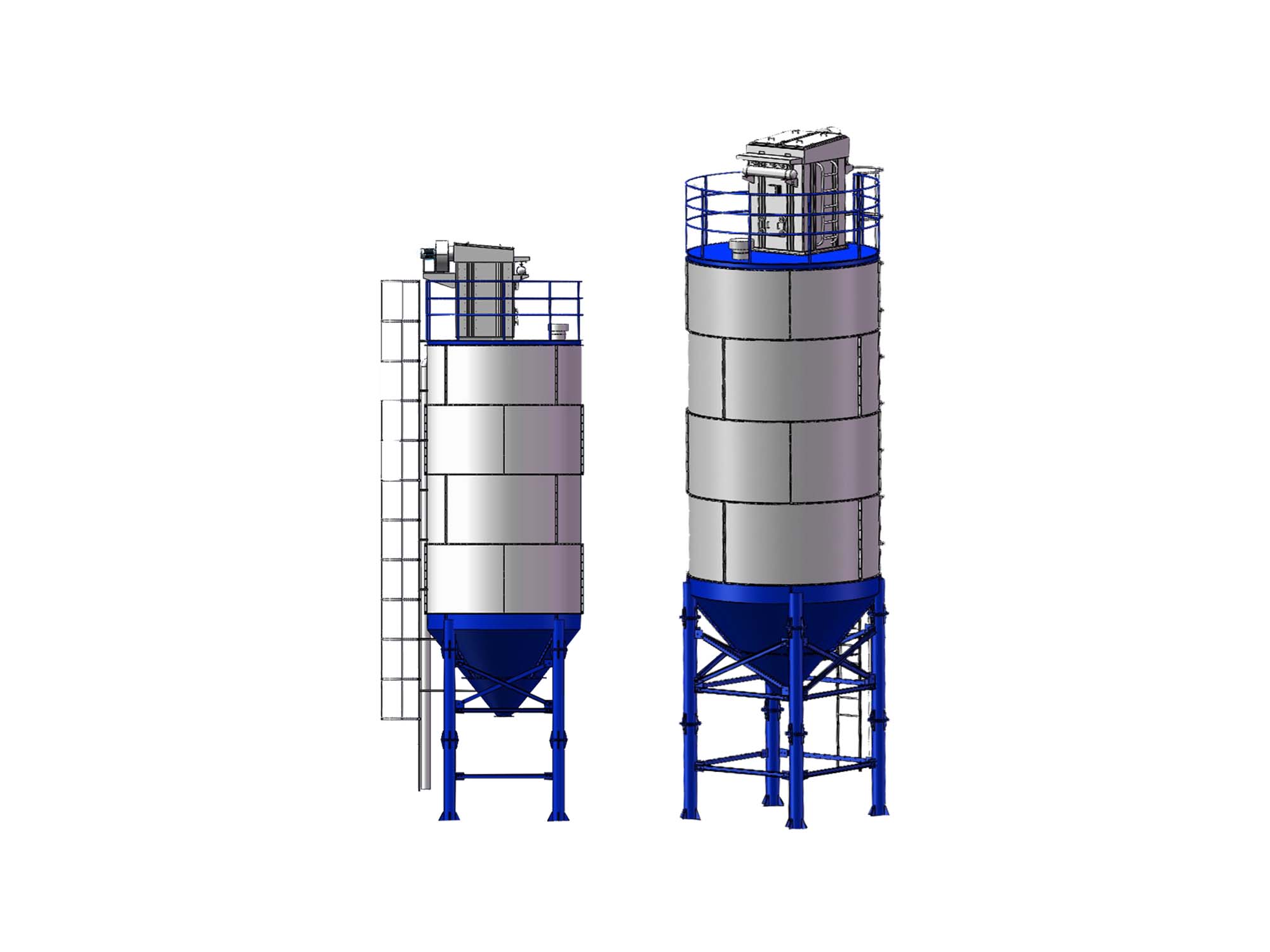
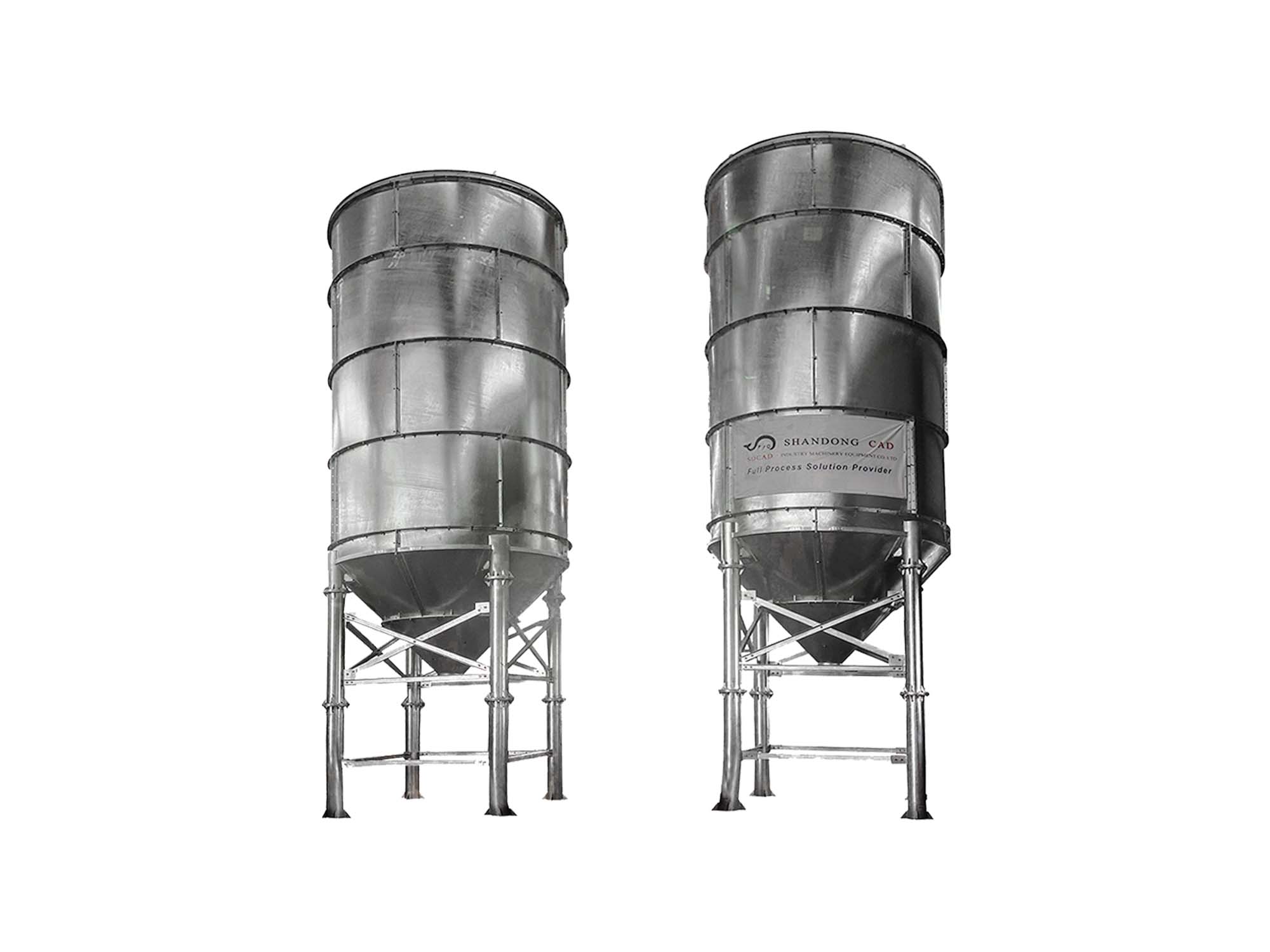
Cement Silos
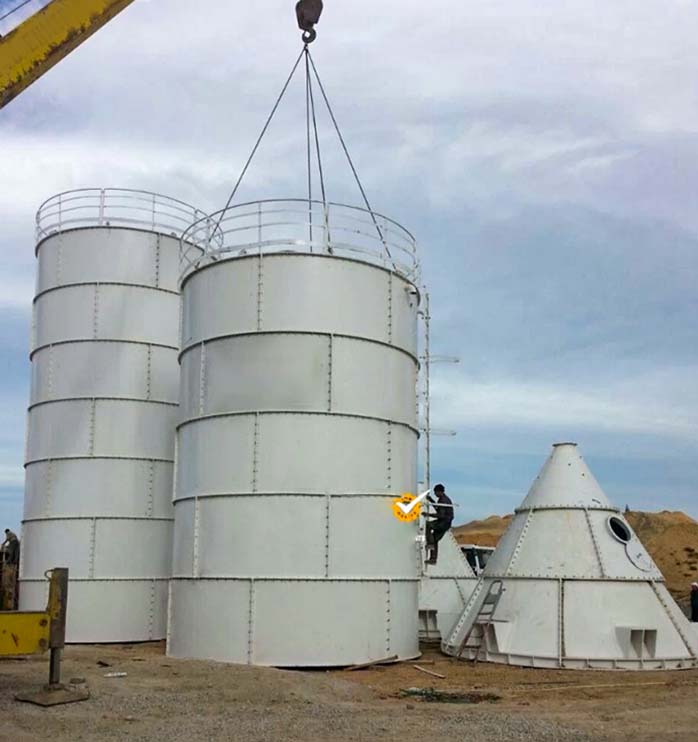
Silos store bulk cement, fly ash, slag, or silica fume dry and safely. They connect to the weighing system via screws or air slides and segregate materials to safeguard blend ratios.
Dust collectors and cartridge filters at fill points reduce particulate emissions during pneumatic loading. Reverse-pulse cleaning maintains differential pressure and preserves vacuum integrity.
|
Silo type
|
Footprint
|
Typical capacity
|
Use case
|
Notes
|
|
Vertical
|
Small
|
50–1,000 t
|
Tight sites, high output
|
Gravity feed, easy aeration
|
|
Horizontal
|
Larger
|
20–200 t
|
Mobile or low-height sites
|
Fast install, lower height
|
Install level sensors (radar or guided wave) for accurate inventory and high-level alarms to prevent overfill. Automated feeders meter to the scale hopper, minimizing drift and human error.
Conveying Systems
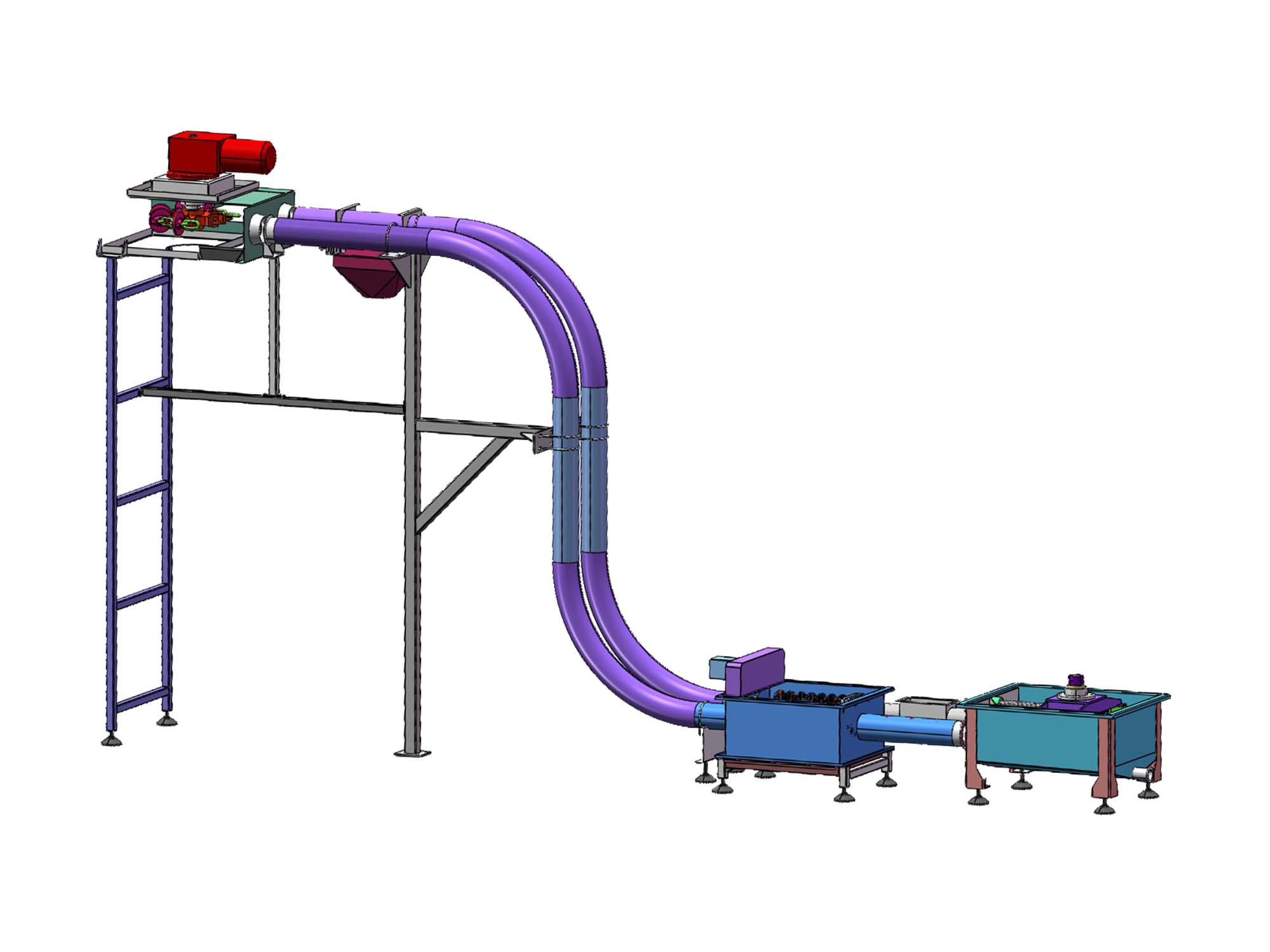
Conveyor belts are essential for transferring aggregates from bins to weigh hoppers in a concrete batching plant. Use troughed, covered belts with scrapers and skirt boards to contain fines effectively. For cement and mineral admixtures, screw conveyors with controlled feed and sealed housing are ideal. Bucket elevators are particularly useful for raising aggregates when slope or space prohibits belt runs, ensuring efficient concrete production.
Bucket elevators raise aggregates where slope or space prohibits belt runs. Dust-reducing and moisture-sealing conveyors enhance air quality, reduce cleanup, and preserve the water-cement ratio.
To accommodate future upgrades or mobile layouts, use modular frames, adjustable supports, and quick-change idlers to reroute lines effectively. This flexibility allows for the seamless integration of various equipment types within batch plants.
Ultimately, optimizing these components ensures that the concrete batching process runs smoothly, meeting the demands of any jobsite while maintaining high standards of quality concrete production.
The Mixer
Twin shaft mixers, suitable for high-strength and ready-mix at 1 to 4 cubic meters per batch, provide strong shear and short cycles. Drum mixers fit low-slump or on-site mobile plants, exchanging shear for ease.
Pan mixers assist with precast units where color and surface finish are important. Planetary mixers provide top homogeneity for ultra-fine blends and low water to cement mixes.
Mixing action must wet all particles rapidly and break clumps. Blade design, speed, and charging sequence control paste coating and air content.
Capacity and type determine batch size and mix time. A 2 m³ twin shaft running 45 to 60 seconds can outperform a larger, slower drum. Poor mixer and conveyor inflow matching creates dead time and segregation.
Wash daily. Scrape buildup, monitor blade wear, seals and discharge doors, and ensure wash-out cycles to maintain consistent productivity.
Control System
Computerized control manages batching, timing, interlocks, and alerts. It orchestrates storage, conveying, weighing, mixing, and discharge. It enforces tolerance bands and records deviations.
Digital scales with precise load cells, inline moisture probes for sand, and temperature sensors sharpen accuracy. The controller replaces water for aggregate moisture in real time.
Combined software handles mix recipes, version control, production and quality records with audit trails to comply.
Utilize clear HMI screens, role-based access and remote monitoring. Operators view KPIs, trends and faults on or off site, which reduces manual steps and downtime.
What Types of Concrete Mixing Plants Exist?

Concrete batching plants are classified into wet mix, dry mix, stationary, mobile batch plant, and precast concrete options. At a higher level, two main structural classes exist: stationary and portable, often referred to as mobile concrete solutions. Capacity divides these concrete plants into small, medium, and large, aligning output from 25 cubic meters per hour to 120 cubic meters per hour or more to meet project demand.
1. Wet Mix Plants
Wet mix plants combine cement, aggregates, admixtures and water together inside a central mixer prior to discharge. This yields a uniform, minimum variance mix, which is important when strength classes and workability must meet narrow specifications.
These plants rely on strong twin-shaft or planetary mixers, precise water metering and closed-loop moisture control in aggregates. They serve premium ready-mix demand in congested-city jobs, where traffic or warm temps might damage uniformity if mixing happened in transit.
You spot them on behemoth bridges, rail hubs, and high-rise cores. They need solid water management: meters, moisture probes, reclaimed water loops, and washout handling. That contributes to expense and maintenance, but the return is consistency, reduced rework risk, and a higher quality finish.
2. Dry Mix Plants
Dry mix plants batch cement and aggregates dry, then load into mixer trucks where water is added onsite. The plant hardware is easier with quicker cycle times and reduced power consumption.
These are prevalent in outlying or work camps where electrical power, water resources, and maintenance assistance are sparse. They roll quick, install light, and maintain production strong with less wear parts.
The tradeoff is tight regulation of water addition on the jobsite. Bad slump control means variability, so crews resort to calibrated meters or truck-mounted systems and double-check with rapid field tests.
3. Stationary Plants
Stationary plants are permanent structures constructed for large volume output for extended periods of time of uniform quality. They carry large aggregate bins, cement silos, central dust collection, and sophisticated controls, making them ideal for mass pours and continuous feed.
They need foundations, utility connections, traffic circulation and air pollution controls. This footprint comes out in the wash on mega infrastructure, commercial high-rises and business parks.
Stationary plants, by design, tend to settle at the large-capacity end of the spectrum and frequently combine alternatives that reduce cement utilization through optimized mix designs and accurate dosing.
4. Mobile Plants
Mobile plants are portable units that ship on skids or trailers for rapid installation and removal. They suit temporary projects, countryside areas, and dynamic routes, with small footprints and easy setup.
Usual portable capacities range from 25 to 120 cubic meters per hour for small and medium projects and some large ones in phased works. Contractors migrating among wind farms, road segments, or pipeline spreads require mobile plants to right-size output per phase.
Small units are for minor structures, medium units are for steady deck pours, and two trains are combined when surge demand hits.
5. Precast Plants
Precast plants produce components in an offsite controlled environment, which minimizes inconsistencies and expedites assembly at the construction location. Quality systems, steam and heat curing, and tight tolerances allow for durable beams, wall panels, pipes, and floor planks used in buildings and infrastructure.
This level of control suits mass production with strict quality control, where cycle time, mold reuse, and mix optimization can reduce cement consumption and unit cost. They’re perfect when deadlines are short, sites are compact, or weather exposure is risky.
Comparing Mixing Technologies

Concrete batch plants use batch or continuous mixers, influencing not only the homogeneity and strength gain of the concrete mix but also the staffing, control logic, and maintenance load.
Batch Mixing
Batch mixes concrete in individual loads with measured cement, aggregates, water and admixtures. Each batch runs a defined cycle: charge, mix, discharge, rinse as needed. This format maintains proportions closely, which contributes to consistent compressive strength and slump consistency from truckload to truckload.
It suits projects that shift mix designs frequently, for example, 30 MPa pump mix in the morning and a fiber-reinforced precast in the afternoon. Plants can hold several cements and admixtures, then mix recipes by PLC. Small trial batches de-risk changes prior to full runs.
Batch size can change to accommodate formwork turnover or site crane capacity. Twin-shaft mixers shine in batch plants. With their counter-rotating shafts shearing and folding the matrix, they cut mix time while enhancing paste dispersion and aggregate coverage.
They mix low-slump, high-RA and SCC mixes with less variance. Pan mixers bring the power of energy input to color and UHPC work. Drum and tilt drum mixers, prevalent in North America, are uncomplicated and sturdy but might require extended cycles to achieve comparable homogeneity.
When it comes to mixing technologies, Europe gravitates towards twin-shaft for intensity while North America continues to count on tilt drum at numerous ready-mix locations. Ready-mix, precast, and specialty concrete producers all use batch systems to achieve quality objectives and traceability requirements.
Continuous Mixing
Continuous mixing pumps combine cement, sand, gravel, and water into one end, mix in a chamber or auger, and pump out a continuous stream. This method fits extended, monotonous pours where breaks are expensive, such as road base stabilization, pavement, RCC dams, and mass foundations. The efficiency of a concrete batching plant is evident in high throughput, low downtime, and the ability to escape the stop-and-start rhythm of traditional batch cycles.
Volumetric trucks represent a mobile incarnation of concrete batching, dosing materials on-board and utilizing an auger to mix on demand. This provides tight control per meter poured, minimizes waste, and proves advantageous when haul times are long, temperatures fluctuate, or access is limited.
Self-loading mobile mixers enhance versatility for remote work, compact sites, and staged pours while ensuring constant output. The quality of the output relies on consistent feed rates, moisture adjustment on aggregates, and instantaneous mass flow measurements, which are critical in the concrete production industries.
Plants can achieve high-volume continuous output, which can reach hundreds of cubic meters per hour when feedstocks and control remain in specification. They may pre-wet fines or inline dose modifiers to stabilize workability and early strength for high-performance mixes or complex admixture timing, per some hybrid setups.
|
Parameter
|
Batch Mixing
|
Continuous Mixing
|
|
Cycle time
|
30–120 s per batch
|
Near-zero; steady-state flow
|
|
Batch size
|
0.5–6 m³ typical
|
Not applicable; rate 60–300+ m³/h
|
The selection process begins with specifications and logistics, including target strength class, variance limits, slump flow, volume per hour, supply chain stability, and site access. The choice of a batch plant, whether it features a twin-shaft or pan mixer, fits tight tolerance SCC, UHPC, colored, or fiber mixes.
Selection starts with spec and logistics: target strength class, variance limits, slump flow, volume per hour, supply chain stability, and site access. Batch with twin-shaft or pan fits tight tolerance SCC, UHPC, colored or fiber mixes.
Drum suits standard ready-mix at modest volumes. Continuous or volumetric fits long, even pours or remote work with fluctuating demand. About: Comparing mixing technologies. Match mixer energy to mix rheology and validate metering and moisture control prior to scale-up.
How to Select a Concrete Batching Plant
Begin with a checklist recording scope, schedule, budget, target mixes, peak output (m³/h), batch precision, mobility requirements, utilities, and environmental obligations. Put plant models, capacities, mixer types, automation grade, moving mode (mobile vs stationary), and configurations up against those requirements.
Estimate total cost of ownership (TCO): plant price, transport, foundations, power setup, calibration, spares, fuel, consumables, labor, downtime, and decommissioning. It depends on project size and output, logistics of the site, wet versus dry mix, and conformance regulations.
Project Scale
The scale of a project is an essential consideration in choosing a concrete batching plant. Map monthly volume: small (approximately 1,000 to 3,000 cubic meters per month), medium (approximately 3,000 to 7,000 cubic meters per month), large (approximately 7,000 to 10,000 or more cubic meters per month).
Translate pour plans into peak hourly demand. A plant’s capacity must satisfy the peak production rate or risk expensive delays. Align plant type and mixer capacity with your daily or weekly demand.
For bridges requiring a continuous 40 to 60 cubic meters per hour with tight tolerances, a twin-shaft wet plant is typical. For scattered house pads at 15 to 25 cubic meters per hour, a compact dry plant can accommodate.
Think ahead to scale if spillover phases or new packages might follow. Opt for modular bins, add-on silos, or a second mixer port. Don’t over-invest in oversized plants for short-term jobs. Idle capacity ties up cash and adds operating costs.
Site Conditions
Examine footprint, clear heights, crane or loader swing, and ground bearing for silos and hoppers. Restricted access or weak subgrade alters the possible layout and truck flow.
Situate near aggregate sources to reduce haul time and variability. A 10 km reduction can firm up moisture control and save fuel. Install weighbridges where backhauls muck counts.
Control noise with enclosure panels, control dust with bag filters and misting, and control runoff with lined pits and pH control. Most sites require reclaimers to recycle the wash water.
Power, water (2 to 6 cubic meters per hour typical), drainage, and lighting must be dependable. Backup generators safeguard vital pours.
Production Rate
Established target rates from pour windows and sequencing. Select batching equipment and mixers that pass peaks without waiting in line at the mixer, cement screw, or aggregate skip.
Factor in washout, sieve cleaning, ice and water refills or admixture swaps. Assume a real-world load factor, not lab ideal duty.
Arrange bins, conveyors, and truck routes to minimize cycle time. Pre-weigh aggregates, twin scales, and stage cement to overlap steps. Wet mix plants provide tighter, uniform concrete.
Dry mix can post marginally higher hourly numbers with easier equipment.
Regional Factors
Check permits, zoning, emission limits, and truck curfews. Hot climates require chilled water or flake ice, while cold climates require heated water, insulated lines, and admixture storage.
Map inbound aggregates and cement by road, rail, or barge, as well as outbound ready-mix routing and turnaround times. Mobile plants are intended for jobs with frequent relocations or remote locations, while stationary plants are more appropriate for fixed large projects with consistent concrete needs.
Environmental and Safety Management
The focus is twofold: protect the environment and keep people safe while staying compliant. Concrete batch plants that excel in both areas are more efficient, experience fewer shutdowns, and earn the trust of neighbors and regulators.
Best practices and compliance
-
Map all emissions and discharges, set limits aligned with permit thresholds, and log real-time data such as dust, pH, turbidity, and noise.
-
Employ formal change control for new admixtures, mixers, or fuel sources. Refresh risk registers and SOPs.
-
Calibrate sensors and meters on a regular schedule. Maintain calibration certificates for audits.
-
Conduct monthly internal audits and annual third-party reviews. Patch holes with old action plans.
-
Maintain incident and near-miss records completely. Poor reporting prevents trend analysis and repeats errors.
Waste, recycling, and pollution
-
Reclaim returned concrete through reclaimer units. Use distinct aggregates for repurpose and reroute slurry to settling tanks.
-
Handle wash water – pH neutralize and solids removal. Recycle for yard cleaning or batching where specs permit.
-
Cover fine aggregate stockpiles. Utilize paved, bermed yards to prevent runoff and sediment loss.
-
Baghouse fines and sludge must be disposed of as hazardous or non-hazardous waste and must never be mixed with municipal garbage.
Training and emergency readiness
-
Train all staff on lockout/tagout, chemical handling, confined space, and fall protection. Refresh at least annually.
-
Drill spill response, fire, medical, and entrapment designate incident command and backup leads.
-
Track competence per role. Employ checklists, skills matrices, and observed-task verifications.
Dust Control
Dust is a leading complaint and a serious health hazard in the concrete batching industry. To combat this, put bag filters on silos, HE cartridge collectors on concrete mixers, and local hoods on transfer points. Additionally, seal conveyor drop chutes and use flexible skirting and wear liners to keep dust in stream. Installing misting bars at hopper inlets and truck load-out points, tuned to droplet size that matches particle size, can also help manage dust pollution effectively.
Water is effective, but over-spray can create mud and waste water ways. It’s essential to balance flow with proper housekeeping at concrete batch plants. Keep aggregate bins covered, maintain gaskets and clamps on silo fill lines, and adhere to tanker unloading pressure limits to prevent blowouts. Monitor with inexpensive PM sensors proximate to boundaries and a reference unit within the yard.
Then modulate fan speed, pulse frequency, and spray duty cycles. Unfortunately, too many sites pass on PPE and mandatory respirators during maintenance and bag changes, which can lead to serious health risks for workers in the concrete production industries.
Water Management
Collect process water from mixer washout, yard wash, and stormwater in separate drains. Use sumps to lead to primary settling and then to secondary tanks with weirs.
Add filtration or DAF where fines are high. PH neutralization is necessary prior to any discharge. Reuse clarified water in wash cycles and low-spec batching to reduce draw from mains.
Batching tweaks reduce water use: optimized moisture probes, shorter wash cycles, and foam cleaning. Hit discharge limits, sample on time, and file reports. Maintain logs thoroughly. Lack of data beckons fines.
Operator Safety
-
Install guards, interlocks, and emergency stops on conveyors, mixers, and screw feeders. Mark pinch points.
-
Fixed ladders with cages, full-body harnesses, lifelines, and anchor points for silo and platform access.
-
Conduct toolbox talks, fall-arrest drills and lockout/tagout refreshers. Audit PPE usage on a weekly basis.
-
Control confined space entry with permits, gas tests, attendants, and retrieval kits.
Industry reviews show gaps: weak PPE use at height, poor incident reporting, and defective gear raise risk. Construction accidents remain high in Japan, Ireland, and the UK, with falls, struck-by, and caught-in/between being the most common.
Poor body position and defective tools cause repetitive strain injuries. Outstanding management seeks out and corrects equipment, process, and behavioral risk before they injure people.
The Future of Concrete Production

Concrete batching plants are becoming smarter, cleaner, and more connected. The drivers are clear: tighter project timelines, stricter environmental rules, and a rising push to cut carbon at scale while maintaining quality concrete across jobsites.
Automation
Automated batching, mixing and material handling will comprise the plant’s core control loop, metering cement, aggregates, water and admixtures with tight tolerances using high-precision load cells. Precise dosing reduces variability, quickens cycle times and increases first-pass yield on challenging mixes such as low-shrink, SCC or fiber-reinforced combinations.
Plants will automate repetitive checks such as moisture correction, slump proxies via power draw, and in-line temperature adjustments, which reduce human error and lower labor costs per cubic meter. Smart sensors and IoT devices stream into a PLC or DCS that choreographs gates, conveyors, and mixers with minimal manual touchpoints.
Predictive maintenance will be the norm. IoT sensors monitor bearing vibration, gearbox temperature, filter pressure and motor current to anticipate failures before they interrupt production. Remote diagnostics cut site visits, reduce spares on hand and hold uptime steady during peak demand.
Recipe switching is faster with automated controls that manage instant changeovers, material purges and traceability logs. It facilitates off-shift quality control work to support flexible scheduling across small lots, night pours and precast runs without long changeovers.
Digital Integration
Plant controls will communicate with ERP and project management software to synchronize orders, mix designs, delivery slots, and cost codes. Material consumption will post back to finance and procurement in near real time, enhancing cash flow visibility.
Cloud storage will maintain production history, inventory levels, calibration records, and compliance reports all in one safe location. Audits become simpler and multi-plant fleets can benchmark performance across sites on the same dashboards.
Remote monitoring from mobile devices or web apps will enable supervisors to observe KPIs, modify setpoints, and authorize recipe changes off-site. This is important when crews span time zones or expertise is scarce. Data analytics will flag cycle bottlenecks, overuse of cement, and idle energy draw, reducing operating costs through simple fixes.
Sustainable Design
Plants will use variable-speed drives, high-efficiency motors and heat recovery to reduce energy consumption, while solar arrays or wind power decrease reliance on fossil fuels. Demand response modes will schedule energy-intensive stages to off-peak windows where feasible.
Recycled aggregates, SCMs like fly ash, slag, and calcined clay, and closed-loop wastewater systems will reduce carbon and water consumption. Compact batching units with effectively zero wastewater discharge will expand, especially on dense urban sites and temporary projects.
Noise control will take priority, with goals at or below 70 dB(A) at 1 m through improved enclosures and low-noise drives. Plants optimized for clean material flow, easier reclaim, and rapid liner swaps will reduce waste.
High-performance, low-clinker mixes will allow projects to achieve climate targets with no compromises to strength or durability.
Conclusion
Concrete Mixing Plant To construct constant production, align plant type with your job. A little job site requires a portable unit with a pan mixer. A big bridge job calls for a fixed plant with twin-shaft power. Verify mix targets, batch size, peak hour load, and slump range. Surge size bins and silos. Take advantage of a weigh scale you trust. Put moisture probes in and a ticket system to keep quality tight.
To reduce hazard, secure dust capture, recycle water circuits, and direct lockout procedures. Maintain spare parts. Measure energy consumption in kilowatt-hours per cubic meter. Schedule improvements for low-clinker binders and high-slag or fly ash mixtures.
To take the next step, sketch out your top three specs, pull quotes for two plant tiers, and run a one-week trial mix schedule.
Frequently Asked Questions
What are the main components of a concrete mixing plant?
A concrete batching plant contains aggregate bins and conveyors, cement silos, a mixer, water and admixture systems, and a control room. Optional components include dust catchers, humidity sensors, and recycled water systems, ensuring precise dosing and consistent mixing for quality concrete.
What types of concrete mixing plants are available?
Typical types of concrete batch plants include dry batch (transit mix) and wet batch (central mix). These concrete batching plants may be stationary, mobile, or compact, depending on your production needs, mobility requirements, and the quality of the concrete mix. Wet batch plants offer greater consistency, while dry batch plants are ideal for rapid dispatch and lower capital cost.
How do drum and twin-shaft mixers compare?
Drum mixers are basic and economical, ideal for standard concrete mixes. Twin-shaft mixers, known for their powerful shear and homogeneity, are perfect for high-strength and SCC mixes. Planetary mixers excel in producing precast concrete with color consistency, making them suitable for various concrete batching needs.
How do I size a batching plant for my project?
To match peak hourly demand with cycle time and mixer capacity, consider aggregate storage and the capacity of your concrete batching plant’s cement silos. Additionally, include a 15 to 25 percent buffer for downtime and maintenance while ensuring logistics are efficient to avoid bottlenecks.
What environmental controls should a plant include?
Implement dust collection systems on concrete batching plants’ silos and transfer points, utilize moisture probes, and incorporate washout recycling. Harvest stormwater, enclose equipment for noise reduction, and maximize energy efficiency through variable-speed drives while adhering to local air and water discharge permits.
How can I improve batching accuracy and consistency?
Calibrate scales periodically, employ moisture correction, and check admixture dosing in your concrete batch plants. Keep the concrete mixer clean, scrape buildup, and supervise cycle times to ensure quality concrete production.
What trends are shaping the future of concrete production?
Think digital twins, AI-driven mix control, and low-carbon cements in concrete batching plants. Electrification, renewable power, and real-time quality analytics will enhance concrete production capacity while reducing emissions and costs. Modular, mobile batch plants will support fast, top-notch production.