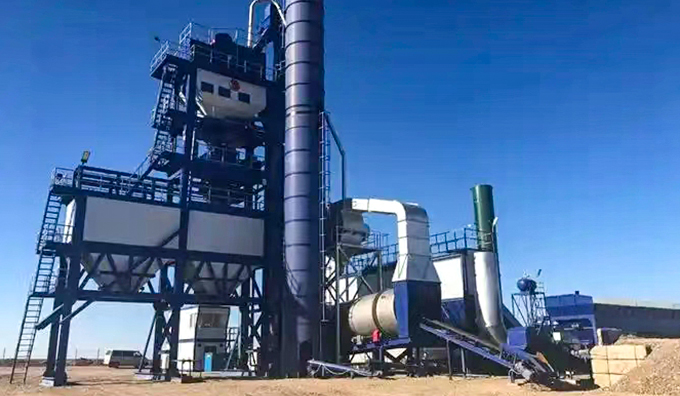
How Do Asphalt Mixing Plants Work? Complete Guide for Global Contractors
Key Takeaways
-
Knowing every step in the asphalt production cycle makes your mix better and your plant run more efficiently, from aggregate feed to product storage.
-
Implementing state-of-the-art technology and automation in core plant operations optimizes precision, minimizes waste and improves consistency of asphalt mixes.
-
With smart quality assurance processes, like mix design customization and regular consistency checks, you can make sure you’re always hitting industry benchmarks.
-
With energy efficiency, proactive maintenance and automation, your costs and downtime of production can decrease.
-
Implementing strong environmental compliance practices such as emissions control and waste management promotes sustainability and regulatory compliance.
-
Whether you choose a batch, drum, or mobile asphalt mixing plant, we can help you find the exact configuration for your project size, location, and production needs.
An asphalt mixing plant is a plant for mixing aggregates, sand, filler, and bitumen in specific proportions to produce asphalt for road construction and maintenance.
There are various types of these plants, including batch mix, drum mix, and mobile plants with different characteristics depending on speed, size, and production capacity. Almost all contemporary plants make use of control systems to ensure steady blend quality and to minimize waste.
Many countries use them for their highways, airports, and city roads. Plant size, fuel use, and emission controls are common plant choices and site rules.
To assist you in selecting the type that’s right for you, the section below explains the mechanics of each plant and what to inspect prior to use.
The Production Cycle
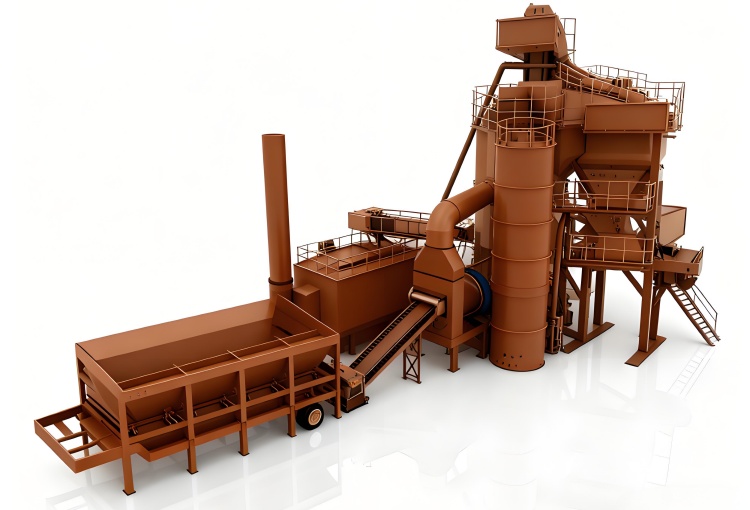
Asphalt mix plants have production cycles that take raw materials through a series of specific processes to form them into finished asphalt for worldwide roads and infrastructure. Every step from aggregate processing to storage is essential in determining asphalt quality, production, and efficiency. Whether batch or continuous mixing plants, we incorporate advanced controls and automated systems to satisfy rigorous industry standards and adapt to different project requirements.
1. Aggregate Feed
Aggregates – sand, gravel and crushed stone – are delivered by truck or conveyor to the mixing plant. Thoughtful loading keeps supplies clean and prevents materials from being lost. Cold feed bins store and separate these aggregates by size and type, allowing operators to pull the appropriate mix for each batch.
Moisture levels are checked prior to the feed entering the plant, so an overload of water does not create a stew or steam or uneven mixing down the line. Well-calibrated feeders control flow rates so the mix is consistent and reliable.
2. Material Drying
Aggregates fall into a rotary drum dryer where heat evaporates water. Temperatures within the drum are maintained between 145 and 160 degrees Celsius to dry the stone thoroughly yet avoid overheating, as this can damage the stone.
Fuel-efficient burners and insulation ensure that energy use stays down, which is important from a cost and emissions perspective. Even a trace of residual moisture can compromise the binding quality of the bitumen to the aggregate, so drying is tightly controlled.
In certain plants, secondary heating such as electric or biomass burners can be implemented to accommodate environmental or fuel access requirements.
3. Hot Screening
Once dried, hot materials are screened to separate the aggregates into different sizes. Screens segregate fine and coarse material, which is crucial for producing a robust, consistent asphalt mix.
It helps eliminate any large particles that could compromise the integrity of the finished product. Total temperature is monitored to ensure that it remains high enough for effortless blending with bitumen.
Today’s screening systems are able to rapidly change over to minimize waste, increase throughput, and assist with keeping mix quality consistent, regardless of the aggregate source.
4. Precision Weighing
Precision weighing is the basis of quality control. Aggregates, mineral powder, and bitumen are each weighed prior to mixing. Automated scales and load cells maintain error at a minimum.
Routine calibration maintains accuracy over time, especially in batch plants where each run may be from 4 to 8 tons. Automated systems accelerate the process and reduce the potential for errors.
Even minute mix ratio shifts alter the strength and workability of the finished asphalt.
5. Final Mixing
All measured materials are dumped into the mixing chamber or pug mill. The chamber blends the batch until it’s creamy and consistent. Both mixing time and mixing speed are matched to batch size and mix type.
The time is long enough to mix and short enough not to overheat. Additives or reclaimed asphalt can be added to enhance performance or cut down the price. Bitumen is maintained at 155 to 160 degrees Celsius for free flow and excellent bonding.
Close observation guarantees complete coverage of the aggregates and inhibits any bunching.
6. Product Storage
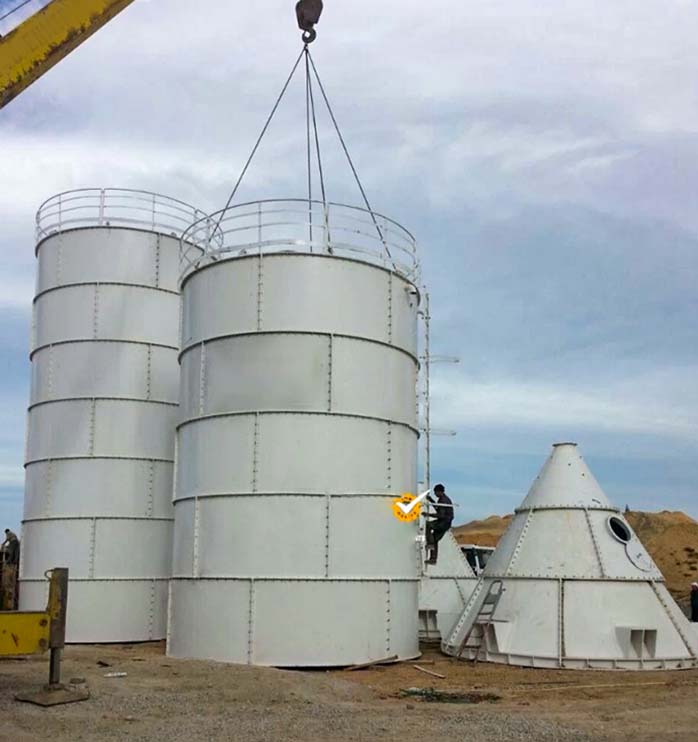
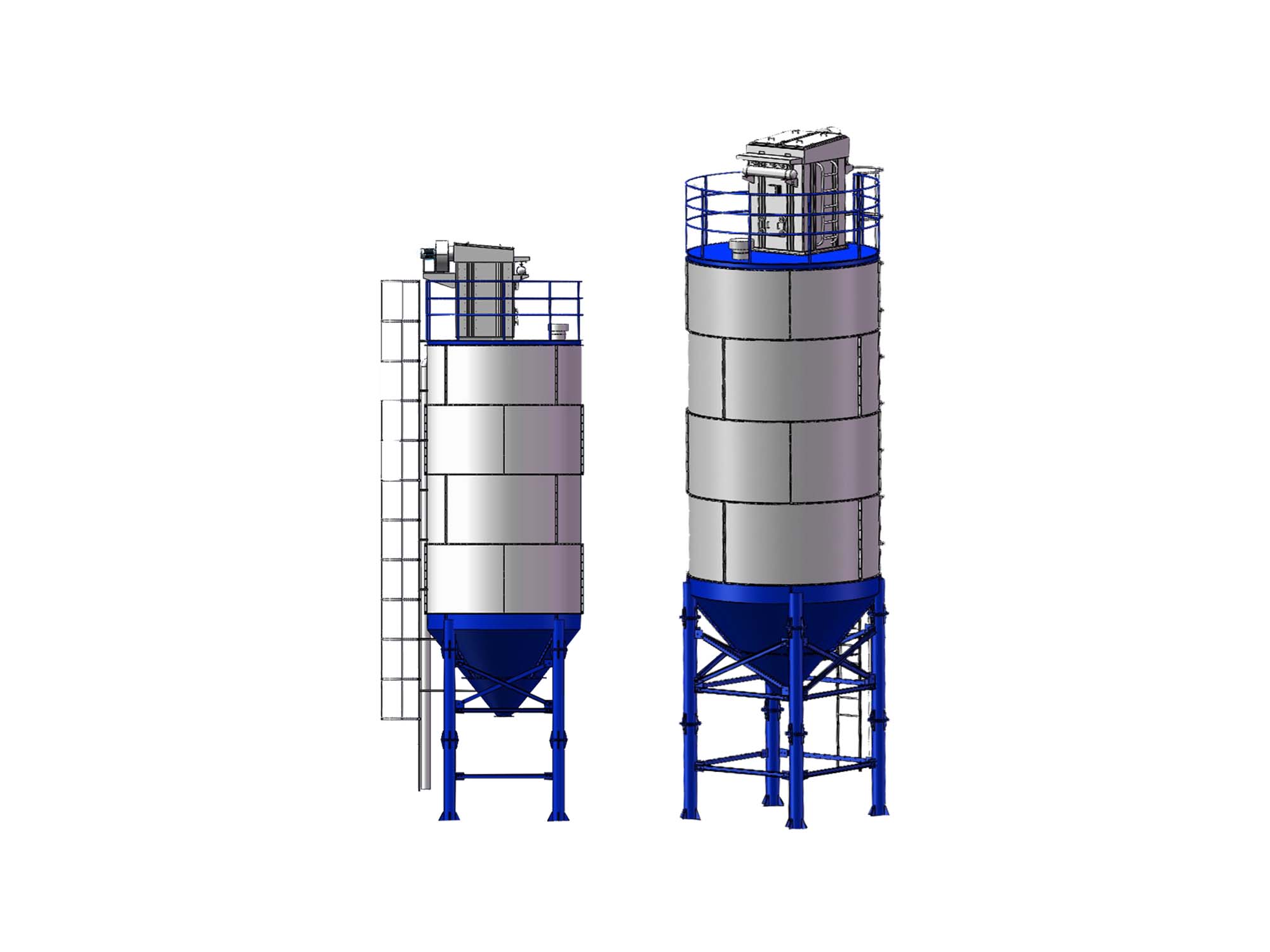
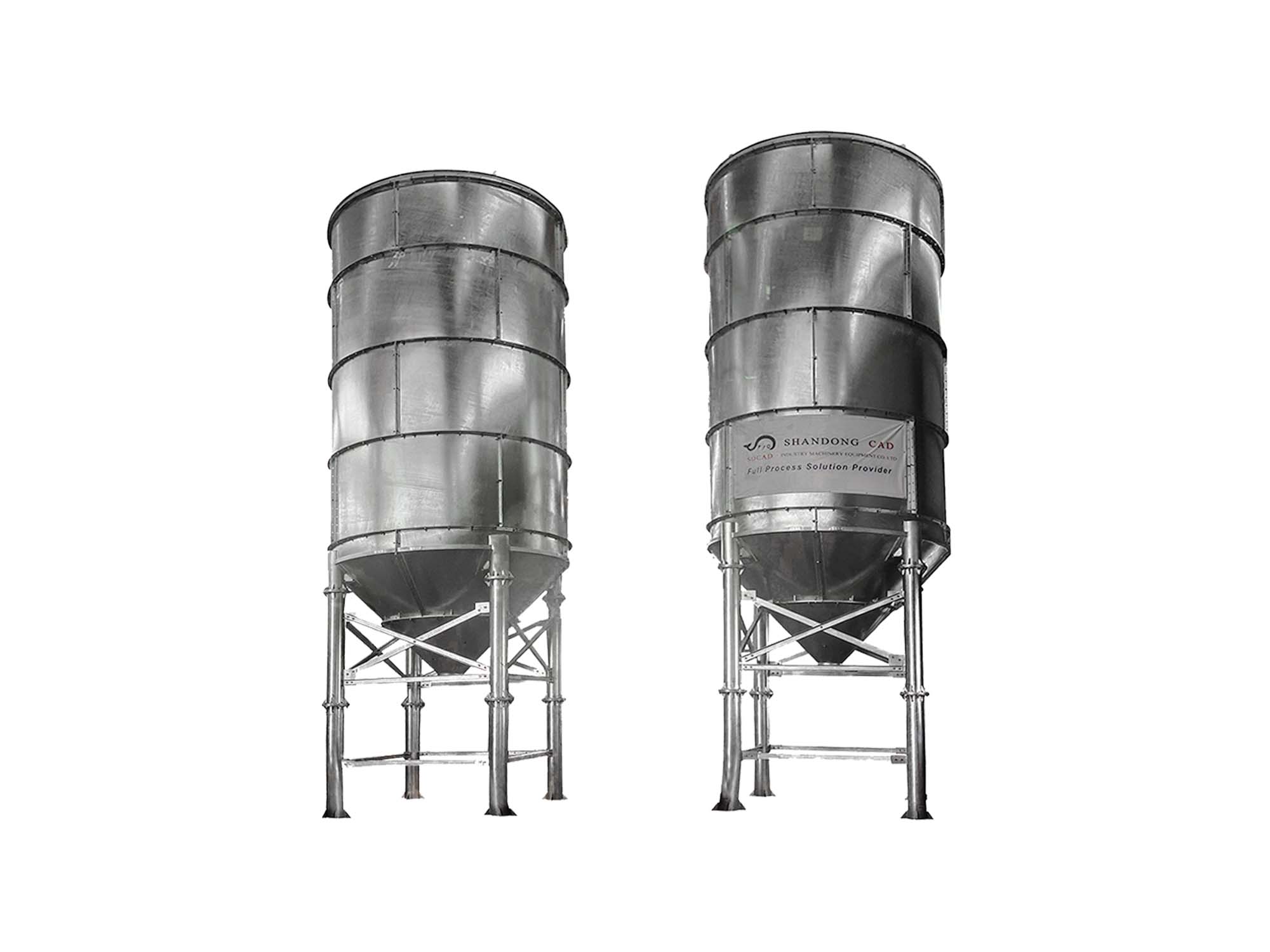
Following blending, hot asphalt is conveyed to storage silos. These silos are heated so the mix does not cool too quickly or solidify. They store asphalt at the right temperature so that it stays workable for as long as possible, and so plants can calibrate timing for delivery.
Inventory is handled such that batches are consumed in the order created, reducing spoilage. Once produced, storage conditions such as temperature and exposure to air influence the shelf life of the product and the ultimate quality on the job site.
|
Key Component
|
Function
|
Technological Enhancement
|
|
Cold Feed Bins
|
Aggregate storage and control
|
Automated moisture sensors
|
|
Rotary Drum Dryer
|
Aggregate drying and heating
|
Energy-efficient burners
|
|
Hot Screens
|
Sizing and sorting of hot aggregates
|
Real-time temperature monitoring
|
|
Weighing System
|
Accurate dosing of materials
|
Automated load cells, digital scales
|
|
Mixing Chamber/Pug Mill
|
Homogenizing asphalt mixture
|
Advanced mixing controls
|
|
Storage Silos
|
Storing finished asphalt at set temp
|
Insulated, temperature-controlled silos
|
Core Systems
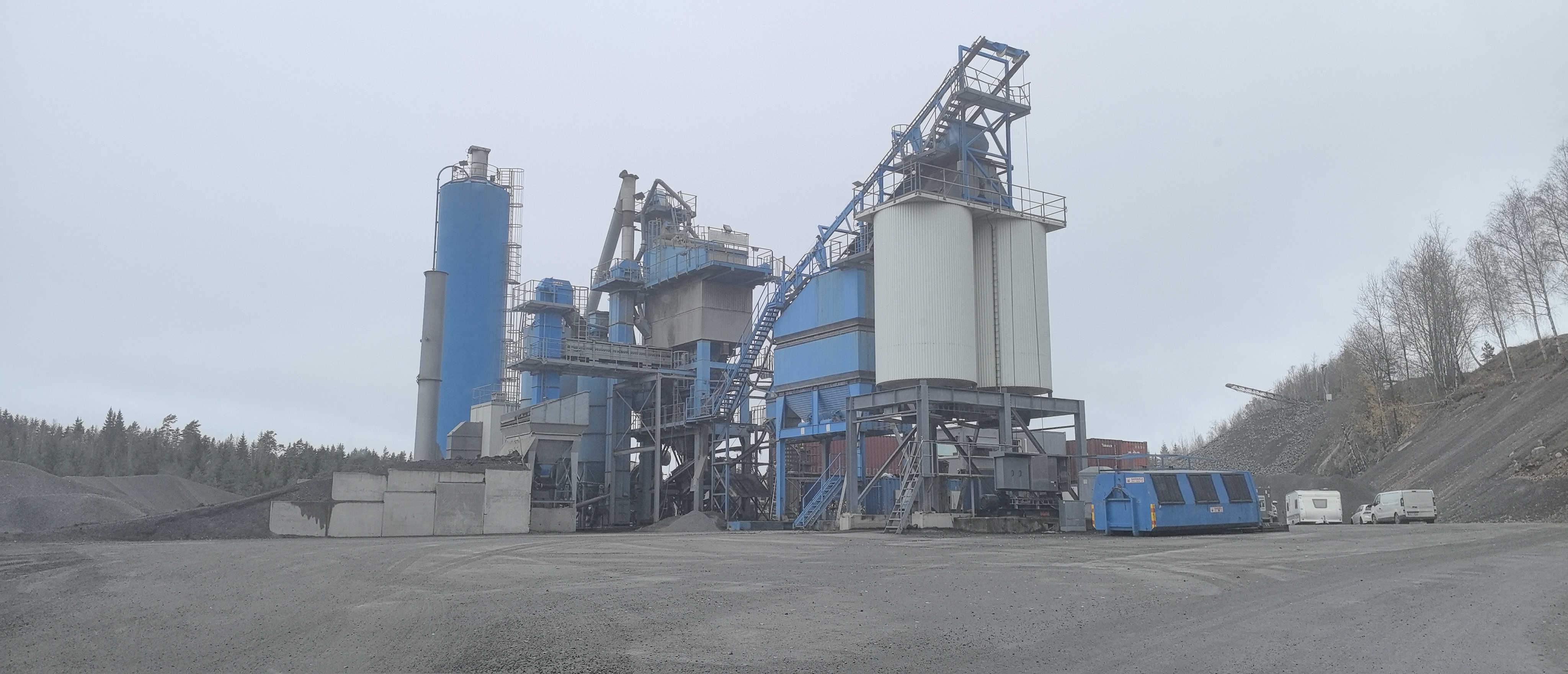
Core systems in an asphalt mixing plant provide the foundation for routine activities, including critical functions such as aggregate delivery, dust filtration, bitumen heating, and centralized control. These systems sometimes have integrated trailers and chassis for rapid relocation of mobile operations.
Every core system, including the mixer, dust collectors, vibrating screen, electric control, and hot aggregate elevator, has a role, and their performance has a direct impact on production quality, efficiency, and compliance. Tech refreshes and routine maintenance ward off outages, ensuring plants hum along at anywhere from 20 to 400 tonnes per hour.
Aggregate Supply
Dependable bulk supply chain is key for any asphalt plant. Ensuring quality sources keeps material properties consistent and backs strong, durable asphalt. Operators need to watch stockpiles to prevent material shortages, which might stall production.
If your stockpiles are outdoors, weather can be a factor. Covered or well-drained areas work best. Good logistics helps too. Transport trucks, loaders, and conveyors must operate in harmony so that aggregates arrive at the plant on time.
The batch mix features two weigh systems, cold and hot aggregates, for precise amounts in every batch. The characteristics of aggregates, from size to cleanliness, define asphalt mixes. Low-grade aggregates can compromise roads and rack up repair expenses.
Dust Collection
Expert dust collection systems reduce air pollution at asphalt plants. Contemporary plants deploy single-stage or two-stage dust collectors to capture fine particles in the mixing and drying processes. Constant monitoring not only helps keep emissions in environmental limits; it’s critical for ensuring you meet global standards and have a safe workplace.
Efficient dust control measures include:
-
Using baghouse filters to capture fine dust
-
Installing wet scrubbers for added particle removal
-
Sealing transfer points to prevent leaks
-
Scheduling regular maintenance for dust collectors
Quick collection maintains air quality, safeguarding both workers and the environment. The older systems may just need upgrades to make them compliant with the newer, more stringent standards.
Bitumen Heating
Heating systems efficiently maintain bitumen at the right viscosity, so it mixes well with aggregates. Precise temperature regulation is required to prevent bitumen from degrading, which could damage the final mix’s integrity.
Plants frequently employ insulated storage tanks to store the heated liquid, maintaining a stable temperature throughout long shifts. With bitumen maintained at optimal temperature, mix quality becomes more consistent and energy consumption decreases.
Bitumen heating, when handled well, enhances mix performance and aids in meeting project specifications. Bad heating leads to clumps or soft spots in roads.
Control Room
A centralized control room serves as the nerve center for plant operations, connecting all core systems. Sophisticated software allows operators to monitor temperature, material flow, and mix ratios in real-time.
Operators require training to manage these systems, detect faults, and respond promptly to maintain plant operation. The control room further aids in enforcing safety rules, handling emergencies, and optimizing production while facilitating recipe-level accuracy for sweet projects.
Plant Configurations
Asphalt mixing plants are available in a variety of configurations to accommodate various project requirements, ranging from minor repairs to large-scale highway assignments. Your ideal plant layout depends on factors such as production volume, rate, product mix requirements and plant mobility or setup time requirements.
Batch versus continuous drum plants both have their own strengths for different jobs. Plant configurations can be either mobile or fixed, with certain units incorporating modular designs to allow for rapid relocation. Contemporary features, like German screening systems or dust removal alternatives, can help enhance efficiency and reduce expenses, making these plants more versatile for work across the globe.
Batch Mix
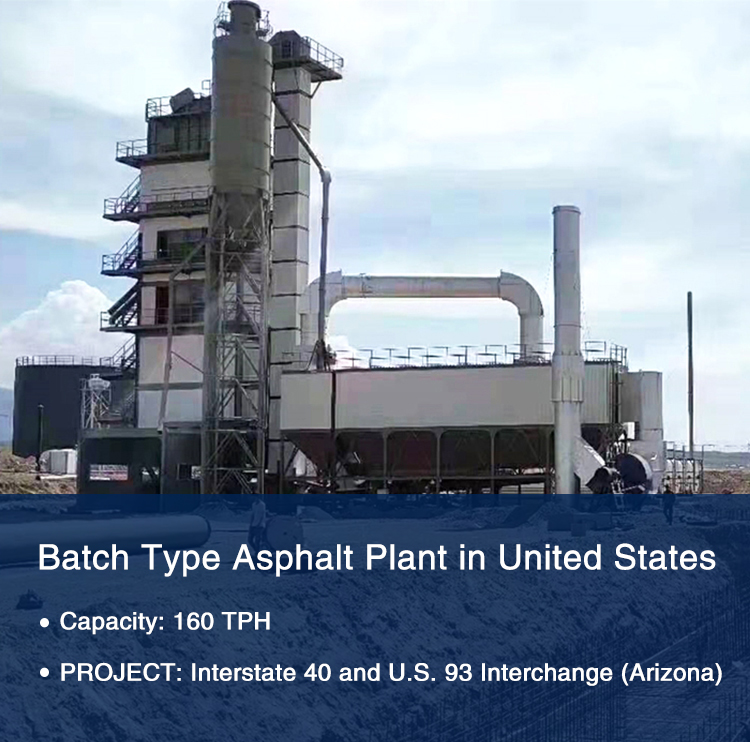
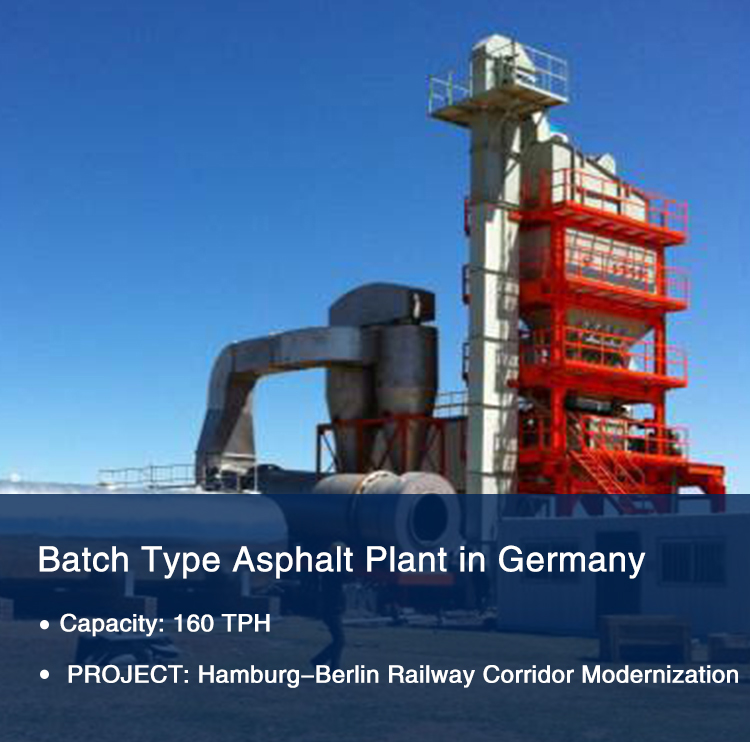
Batch mix plants work by weighing and mixing each batch of asphalt individually. This simplifies managing the recipe, so each batch fits the project’s specifications. You can vary the mix from batch to batch, which is perfect for tricky asphalt recipes, specialty pavements, or when quality and accuracy are critical.
Batch size influences not only your production volume but the consistency of quality. Bigger batches may be quicker, but smaller ones aid optimization and make formula tweaking more manageable. Every run, you can verify the timing of stone, sand, filler and liquid asphalt additions, all under close control.
That’s why batch mix plants are a prime choice for projects requiring multiple mix types or tight quality guidelines, such as airports or urban roads.
Drum Mix
Drum mix plants utilize a continuous operation. The aggregates and liquid asphalt enter one rotating drum and combine as they traverse through. This is an effective configuration for producing a high volume of asphalt in a short amount of time and consistently high quality.
Drum plants don’t halt to mix each load like batch plants do, so there is less downtime and you receive seamless, continuous production. Speed is a huge advantage for drum plants. They’re typically for the big highway jobs or those where they need tons of asphalt day in and day out.
They are available in sizes ranging from 20 to 100 tph and are capable of achieving asphalt temperatures ranging between 120 and 180°C. Others feature easy-to-clean, low-maintenance plant configurations with steady mixing, minimizing downtime and simplifying maintenance.
Drum plants may fit water dust removal or bag dust filters to keep emissions down.
Mobile Units
Mobile plants score because they can move quickly and can accommodate a variety of sites. With modular plant configurations, these units can be disassembled and reinstalled somewhere new in only three to five days, ideal for emergency projects or locations with shifting demands.
Most mobile drum mix plants are of the compact tower style, which is ideal for small road repairs or confined working areas. Mobile unit setup is easy, and the plant itself is typically less complicated than a large stationary plant.
They are ideal for small to mid-scale projects providing reliable production and fast site-to-site mobility. The majority of mobile plants produce less than fixed plants, but they still provide consistent asphalt quality and satisfy rush deadlines.
Their malleability aids in satisfying tough project schedules, particularly in situations where access is challenging or the build location continues to shift.
Quality Assurance
Quality assurance in asphalt mixing plants is a never-ending task. It impacts every stage, from inspecting raw ingredients to sampling the final product. This work ensures the asphalt is safe, robust, and up to project specifications. A good quality plan can make highways last longer and stay smoother and quieter.
To ensure quality, several steps should be taken. First, sample and test all raw materials such as aggregates and bitumen prior to utilization to verify that they comply with established standards with respect to size, cleanliness, and performance. Second, employ a quality control plan to sample test each batch in process. This means they monitor temperature, binder content, and gradation frequently, because temperature influences how the mix cures and endures.
Additionally, split production into “lots” (perhaps half-day or full-day batches) and then sample each lot and test it to identify and isolate issues before they proliferate. Establish a clear defective batch process. Look at what failed and fix it. Use those insights to prevent the same error from recurring.
Moreover, record all checks, results, and fixes in a quality management system. Educate plant personnel in quality control and assurance to maintain standards. Finally, do last-minute finished asphalt tests, like lab-molded density and binder content, to confirm every batch meets project specs before it leaves the plant. Of course, follow up with performance tracking and complaints once the asphalt is down. Take this feedback to improve your next batches.
Mix Design
Mix design is key to making asphalt that works for each job. A good plant will create custom mix designs that suit the climate, traffic, and surface needs. These designs blend different aggregates and use additives that can improve strength, slow water damage, or help the road stay quiet. The right mix can enhance how long a road lasts and how well it stands up to heavy use.
Software too, can help pick the best blend. It can test and simulate how the mix will perform under various loads and weather. These instruments assist flora in adjusting their blend to comply with both regional regulations and task requirements, reducing waste and enhancing quality.
Material Proportions
Plants have to closely monitor the proportion of aggregates, bitumen, and additives. Too much or too little of any component can cause cracking, rutting, or premature failure. Like some plants, QA employs automated tools for assistance.
These systems can weigh each material before it goes in the mixer. They can also regulate the flow of bitumen to maintain an even mix. Additionally, they alert staff if something goes off balance and keep batch data on file, which is useful for audits or corrections.
If you get the mix wrong, it leads to weak spots that can translate to expensive repairs or even dangerous roads.
Consistency Checks
Testing doesn’t end when production begins. Employees have to test every lot with rudimentary spot samples or elaborate core tests. Tests examine density, binder content, and gradation. If a sample fails, the plant has to correct the next batch and analyze the procedure to identify the source.
Frequent inspections help identify issues before they take to the streets, conserving both resources and funds. Consistency checks are a huge assist in maintaining road users’ smiles. When roads last longer and stay smooth, complaints go down and project owners save on repairs.
Operational Efficiency
Operational effectiveness of an asphalt mixing plant is largely a matter of how it deals with energy, automation, and maintenance. Plant managers juggle resource use, staff, and tech to deliver consistent production, minimal downtime, and low costs. Because of the worldwide appetite for road projects, plants have to produce hundreds of tons per hour, non-stop.
Efficiency translates into less waste, fewer delays, and more sustainable operations, all of which are urgent issues in the industry today.
Energy Use
Energy accounts for a huge portion of operating costs in asphalt production. The method, particularly hot mix asphalt, requires high temperatures, which can increase energy consumption and expenses. Plants need to verify fuel and power consumption for each stage, from drying aggregates to mixing and storage, in order to identify where waste may occur.
Effective plant layouts minimize material handling, conserving not just time but energy. Making the jump to efficient tech like VFDs on motors or improved insulation for dryers can pay off. Monitoring fuel consumption is essential. Metering enables you to pinpoint the source of leaks or inefficiency.
Certain plants today leverage biofuels or solar power to assist with cost and reduce their carbon footprint. Every plant has to balance the upfront cost versus the long-term savings. Incorporating RAP is another energy and materials saving approach. By recycling old pavement, they can minimize the demand for virgin materials and lower their ecological footprint.
Automation
Smart automation solutions change the way asphalt plants work. More plants now employ automated controls for batching, mixing, and weighing that help keep mixes consistent and reduce human error. These systems can follow each batch, record data, and notify employees when something is amiss – all in real time.
Automated reporting simplifies production oversight and slowdown detection. Less manual verification reduces the opportunity for errors and makes for cleaner records. This allows managers to make better calls about efficiency and costs.
Investment in automation may reduce labor costs at the margin. It requires staff to have new skills. We need training programs so that everyone can operate and repair these systems. Some employees might need more time to acclimate, so continued assistance ensures that the transition is more fluid.
Maintenance
Maintaining tools is essential for consistent productivity. A routine for inspecting and repairing machines prevents minor faults from becoming major. Keeping an eye out for unusual movements or strange noises can assist in detecting trouble early. This reduces the chance of unexpected failures, which can bring down the entire facility.
Routine inspection and maintenance may appear expensive. It pays for itself by reducing unplanned downtime. Emergency repairs tend to be pricier and disrupt delivery timelines. A service management system simplifies tracking what requires service, when to schedule repairs, and maintaining service history for future planning.
Employees who understand how to identify wear and tear or execute diagnostics are an asset. Nice training and defined processes mean you are solving problems before they become problems, keeping production on the rails.
Environmental Compliance
Asphalt mixing plants need to adhere to rigorous environmental compliance standards to minimize ecological footprint and potential health risks to local populations. Compliance means obeying local and global laws. Plants must test, monitor, and record their performance or risk being penalized and stay in good standing. This section addresses how asphalt plants can fulfill these obligations.
Emission Control
Air emissions are a main concern for asphalt plants. Facilities employ control equipment such as fabric filters and wet scrubbers to trap dust and other contaminants. Fabric filters should achieve 99 percent efficiency for PM and 93 percent for PM10. Wet scrubbers need performance tests every two to three years, depending on plant output. Plants should not emit more than 0.04 grains of particulate matter per dry standard cubic foot.
All control devices need periodic checking. Operators have to monitor pH levels in ponds and sediment accumulation, which detects issues before they cause violations. Plants will have to maintain detailed records of emissions, fuel use, and throughput for at least five years. These records are inspected by regulators to verify compliance. Skipping these steps can mean fines or even losing permits.
Best practices for environmental compliance include low emission burners, sealed storage, and dust collectors operated during production or traversing. Plants that adhere to these measures generally experience less compliance trouble and sidestep expensive downtime.
Noise Reduction
Asphalt plant noise can upset occupants of neighboring buildings. Plants employ barriers, soundproof covers and quieter machines to reduce noise. Sound measuring meters assist in ensuring operations remain within established local limits.
Other plants erected sound barriers or earth berms to prevent noise from impacting the community. Others employ insulated cabinets for noisy machinery. These steps reduce noise and demonstrate the plant is a good neighbor.
A little proactive maintenance and your noisy gear won’t be a nuisance. When plants listen to neighborhood concerns, they typically enjoy stronger support from neighbors and less litigation.
Waste Management
If not managed properly, waste from asphalt production can damage land and water. Plants establish recycling programs to recycle reclaimed asphalt, reducing the volume sent to landfills. They additionally sieve away waste to deliver it to the appropriate destination, which are hazardous or normal waste sites.
You have to track every waste stream. That means maintaining logs of how much is produced, where it is disposed, and how it is managed. Plants that take these steps remain in compliance and avoid fines.
Recycling and clever waste management can save money as well. Through recycling old asphalt, plants reduce raw material expenses and reduce dumping charges. Fast waste management makes a difference for the environment and your bottom line!
Sustainable Practices in Asphalt Mixing Plants
|
Practice
|
Description
|
Example Use
|
|
Recycled Asphalt Pavement
|
Use old asphalt in new mixes
|
Road resurfacing
|
|
Energy-Efficient Burners
|
Burn less fuel for same output
|
Drum mix plants
|
|
Water Recycling
|
Treat and reuse process water
|
Wet scrubber systems
|
|
Low-VOC Additives
|
Cut harmful air emissions
|
Warm mix asphalt
|
Conclusion
Asphalt mixing plants combine clever equipment, consistent processes, and rigorous inspections to create durable highways. Every component—mixers, dryers, feeders—has a genuine effect on the mix. The configuration you select affects your production speed, energy consumption, and accuracy. Plants now follow more clean-air rules and save more fuel, which keeps the grind going and helps the world. Good checks on mix and gear mean roads last longer. To maximize the value of a plant, consider each configuration and how it suits your work. For additional tips or new updates, visit reliable websites or consult a professional in your area.
Frequently Asked Questions
What is an asphalt mixing plant?
An asphalt mixing plant is a machine that mixes aggregates, bitumen, and filler to create an asphalt mixture. The mix is for road work.
How does the production cycle work in an asphalt mixing plant?
All it lacks is the trash, which is capable of continuous production. The cycle involves feeding, heating, mixing, and discharge of asphalt mix. This keeps quality consistent for construction projects.
What are the core systems of an asphalt mixing plant?
Key components are aggregate feed, drying and heating, mixing unit, dust collector, and silos. Every system promotes effective and safe operation.
What plant configurations are available?
There exist stationary, mobile, and portable asphalt mixing plants. It depends on your project size, location, and mobility requirements.
How is quality assured in asphalt mixing plants?
Quality is assured by automated controls, testing, and standards. Plants control temperature, blend proportions, and material quality for consistent results.
How do asphalt mixing plants ensure operational efficiency?
Plants leverage automation, energy-efficient equipment, and real-time monitoring to minimize downtime and conserve resources. Smart running makes it cost-effective and productive.
How do asphalt mixing plants comply with environmental regulations?
Modern plants have dust collectors, recycling systems and noise control. These features assist in pollution reduction and limit emissions to stringent environmental controls.