Key Takeaways
-
Bolted silos are a modular, versatile storage solution suitable for a variety of industries. From agriculture to minerals, plastics, and liquids, bolted silos can be customized to store any material.
-
The modular construction enables rapid on-site assembly, convenient shipping, and simple relocation in the future, minimizing logistical headaches and project delays in any location across the globe.
-
Gasket sealing and protective coatings are necessary to keep your bolted silo airtight, contamination-free and structurally sound for years to come, especially if you’re storing sensitive or corrosive materials.
-
With bolted silo you need a good foundation and to focus on the integrity of every connection. They can only be as strong as the foundation and joints that hold them together and the stresses it faces during operation.
-
The bolted silo’s design allows for any damaged or rusted components to be easily replaced, rather than having to replace the entire silo.
-
When comparing total cost of ownership, think of initial investment, transport, labor, long-term maintenance, and maybe even resale value. Organizations need to make smart, economically sound decisions for their storage infrastructure.
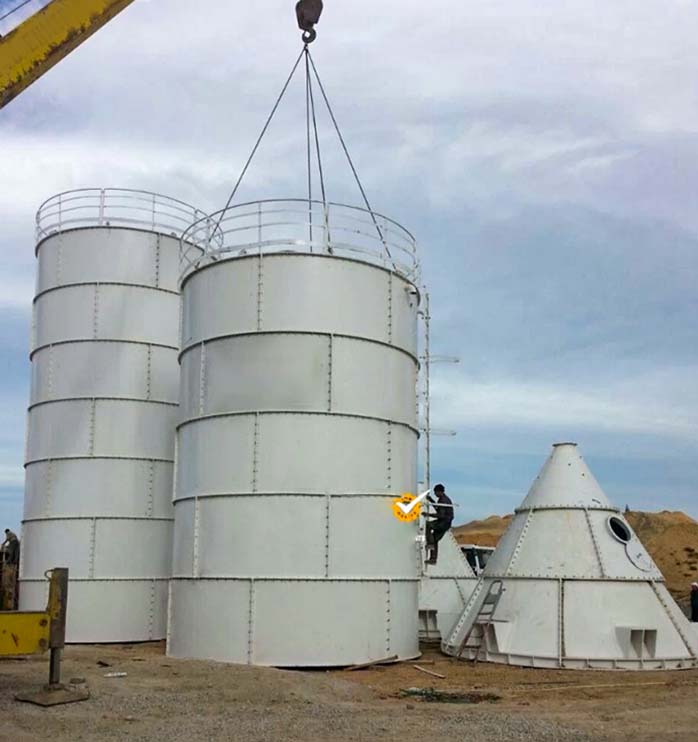
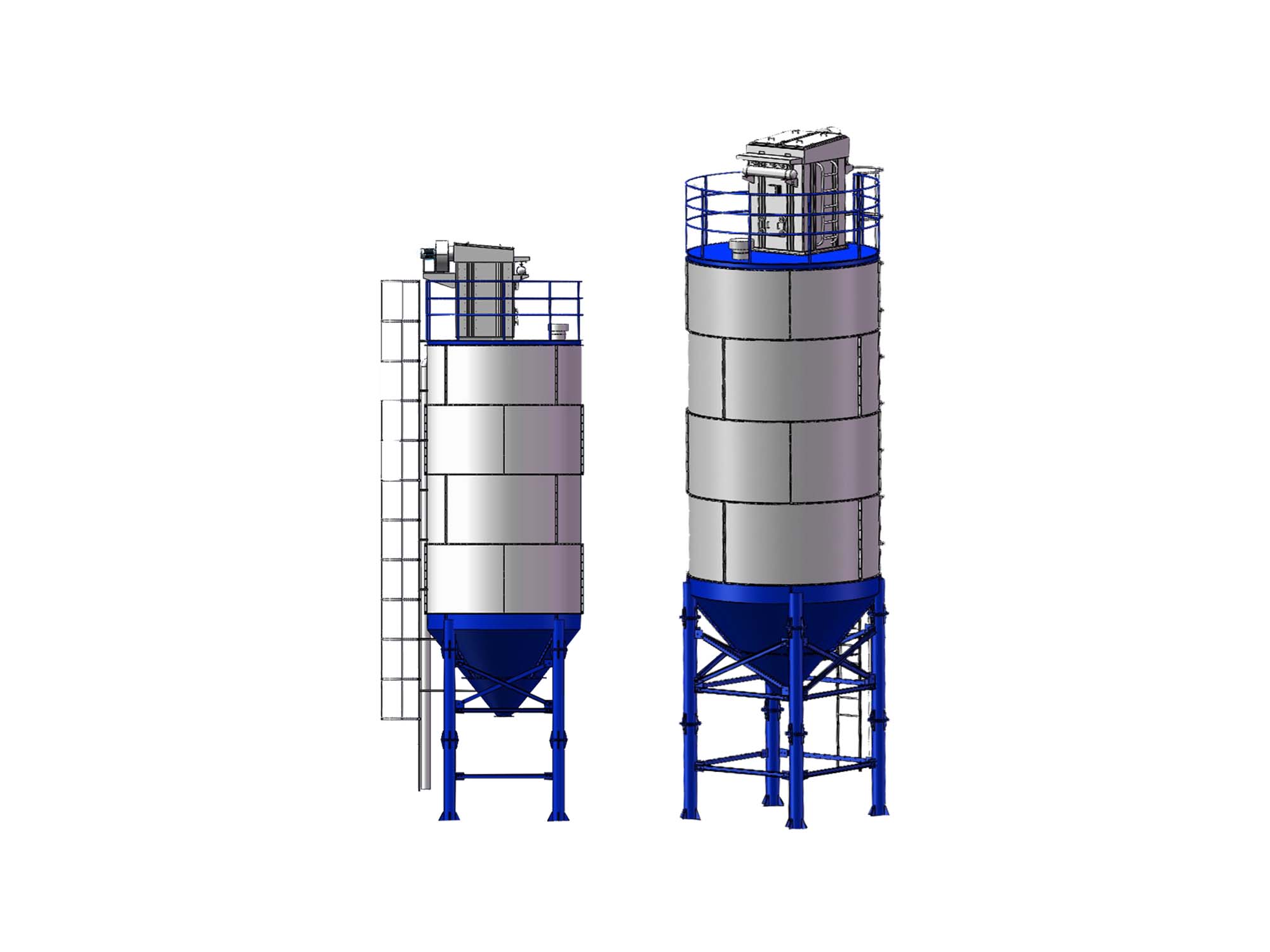
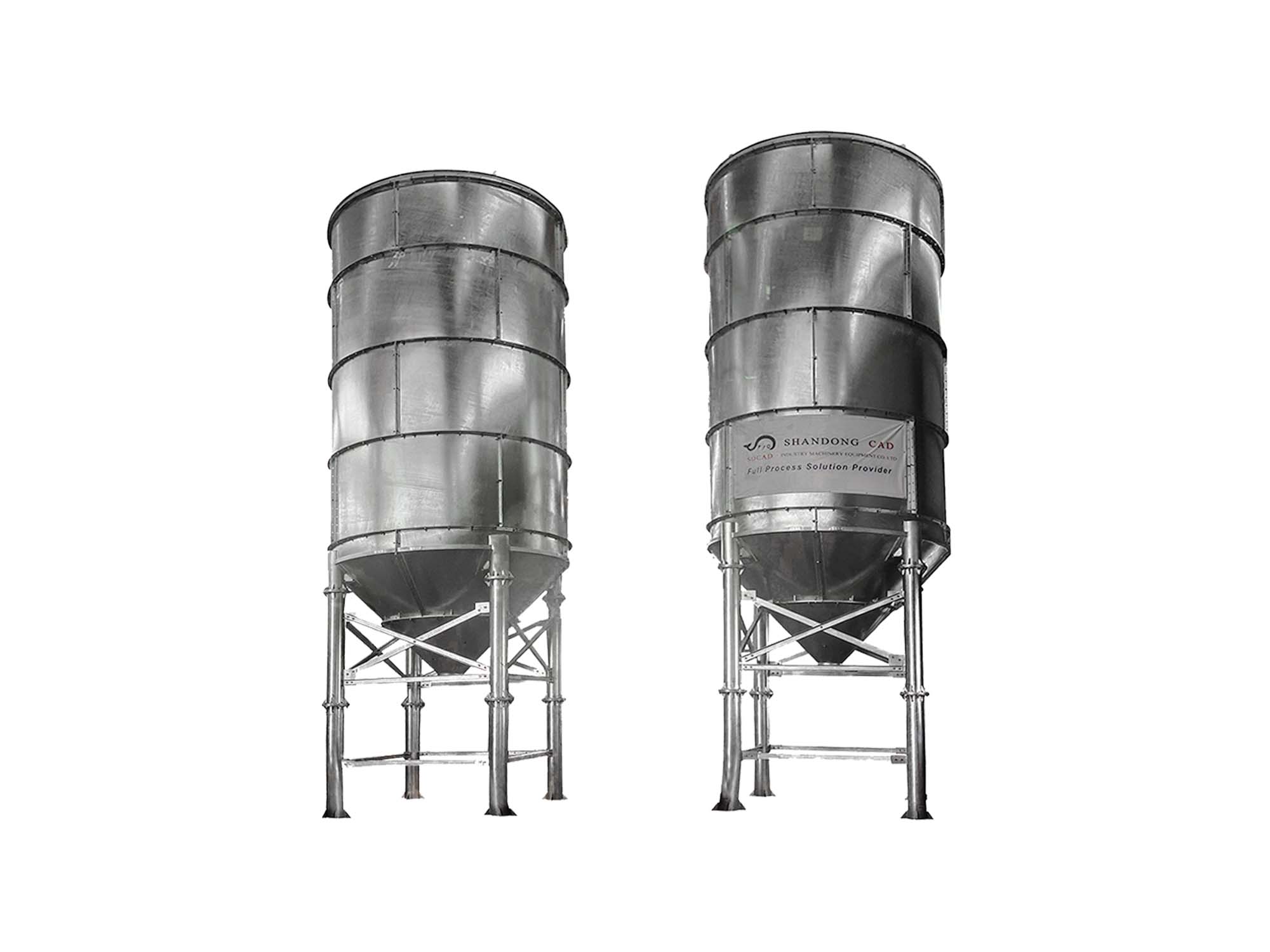
Bolted silo is a type of silo constructed from steel sheets assembled with bolts, designed to store dry bulk materials like grain, cement, or plastic pellets. Bolted silos are popular in sectors such as agriculture, manufacturing, and construction due to their portability and ability to be assembled on-site.
Each panel of a bolted silo ships flat, reducing freight cost and simplifying pre-use storage. For workmen, bolted silos imply speedier setup than welded tanks, and any impaired component can be replaced with a fresh one. Nearly all bolted silos can store some sort of material, stand up to high loads, and remain functional for years with adequate maintenance.
The following sections discuss types, uses, and design considerations for bolted silos.
What are Bolted Silos?
Bolted silos are storage tanks made utilizing steel plates, bolts and sealing parts, and assembled on location from pre-fabricated components. Being one of the bulk powder silos, they provide safe storage for almost any solid bulk material. It could be cement, sand, mineral powder, coal ash or even grain feed and animal feed.
Storage sizes range from 30 to 2,000 tons, ideal for both mid-sized and large applications. They’re used extensively in industries like agriculture, construction, and chemical processing where dependable, scalable storage is key. With their modular design, bolted silos can be configured for a range of storage needs, are quick to install, typically within 3 to 7 days, and can easily be customized as storage requirements change.
1. Modular Design
Bolted silos, known for their modular design, are constructed using panels and components that can be easily bolted or unbolted. This feature significantly reduces the construction period and allows for flexible disassembly, making it convenient to clear the site or relocate the silo if needed. Users can choose custom sizes and layouts, ensuring the silo meets the specific requirements of the project, whether it involves industrial powder storage or grain storage.
Due to the modular setup, transporting bolted steel panels is much simpler than moving a completed tank, enhancing overall efficiency. These silos are ideal solutions for various applications, including agriculture, food processing, mining, and industrial material storage systems.
With their effective sealing structure and high strength, bolted silos provide robust options for different types of storage needs. Their design allows for smooth installation and easy maintenance, making them a preferred choice in various industries.
2. Gasket Sealing
Gasket sealing is at the heart of bolted silo construction. Gaskets between steel panels create an airtight seal, crucial to protecting stored materials from moisture and external elements. This close seal assists in guarding the quality of cement, grain, or other sensitive material.
It restricts air, which in some instances leads to spoilage or loss of product. Gaskets require periodic inspection and occasional replacement, as wear or damage can result in leakage. Maintenance expenses for bolted silos can be greater than other silo types, owing to the quantity of bolts and seals.
These inspections are important to keep the storage system functioning as designed.
3. On-Site Assembly
Bolted silos are shipped as flat-packed panels, which are bolted together on site. This reduces transport costs and the expense of specialized oversize loads. They can be assembled rapidly, sometimes in under a week, allowing you to get up and running faster.
Trained workers and dedicated equipment are required to ensure safe construction and compliance with design specifications. If the site creates layout issues or space constraints, the on-site assembly goes around those challenges, making bolted silos a versatile solution.
4. Material Coatings
Protective coatings on the steel plates assist in extending the life of bolted silos. Options are epoxy, zinc, or polyurethane coatings, providing different degrees of protection from rust, chemicals, or the elements.
The correct coating is dependent on the contents. For example, cement storage requires robust resistance to moisture, whereas a feed silo may require protection against corrosion and chemical attack. Coatings are necessary to maintain the integrity of the silo’s structure for many years.
5. Foundation Interface
Whether you’re using silos safely begins with a rock-solid, engineered foundation. The base must support the entire weight of the silo and its contents, sometimes amounting to thousands of tons.
Foundation design considers soil strength and site conditions to prevent settling or shifting. Soil tests are required prior to installation to ensure that the ground is acceptable. Frequent inspections maintain the foundation well and avert fissures or other deterioration that could compromise the silo’s structural integrity.
Bolted vs. Welded vs. Container Silos
Choosing the right silo style, such as bolted steel silos or flat panel designs, is crucial to meeting your storage requirements, project budget, and operational needs. Each type offers unique advantages and disadvantages related to transport, installation, and long-term performance, which must align with operational demands like stored material and site conditions.
|
Silo Type
|
Features
|
Advantages
|
Disadvantages
|
|
Bolted
|
Modular panels, gaskets/sealants, tall/narrow possible
|
Fast assembly, flexible transport, fits tight spaces, wide size range
|
Joint maintenance, possible leaks, needs careful sealing
|
|
Welded
|
One-piece, fixed size, strong seams
|
Seamless structure, high strength, low leak risk
|
Hard to transport, long install time, limited to factory size
|
|
Container
|
ISO container base, stackable, portable
|
Easy relocation, rapid setup, fits temporary sites
|
Limited capacity, less flexible for silo-specific needs
|
Transport Logistics
Bolted steel silos are transported as flat-packed panels, making the process easy and economical. These panels ship on regular trucks or in containers, cutting freight costs and simplifying international shipping. This modularity enables even large silos, with diameters of 15 meters and capacities of up to 6,370 cubic meters, to be delivered to hard-to-access locations efficiently.
Welded silos are shipped fully assembled. Their dimensions limit their transport possibilities and frequently necessitate special permits or even road closures for oversized shipments. This adds to expense and logistics, particularly in regions with limited infrastructure.
Container silos, designed for industrial powder storage, utilize standard ISO container sizes, allowing for efficient transport by rail, road, or sea. Their structure is ideal for sites needing regular moves or quick installation, although their storage capacity can be limiting for larger needs.
Installation Speed
Bolted silos, known for their efficient construction methods, are erected on site using jacking systems that allow panels to be lifted and bolted from the bottom up. This bolted design storage silos approach accelerates construction, enabling you to maintain tight project schedules and reduce labor costs. Thousands of field-bolted silos can be erected in days, even on tight sites, making them a preferred choice for industrial material storage systems.
Welded silos, in contrast, take significantly longer to set up. Their fabrication and on-site welding require skilled labor and are more susceptible to weather and site conditions. Even with air-lift techniques, the installation process can extend for weeks, especially for custom or extremely large units.
Container silos are fast to set up, as they come ready to roll. A little site prep might be necessary, but the majority of units are able to be set and functioning in a brief period, making them a convenient option for short term projects.
Site Constraints
Bolted silos lend themselves to locations that have space limitations or unusual site layouts. Their modular nature allows them to be customized to fill tight spaces or irregular footprints. They perform well in city or tight locations.
Welded silos, which are a single piece and fixed in size, tend to require more site clearance and stronger foundations. This can translate into additional site preparation and increased costs if the site is uneven or space is at a premium.
Where bolted or welded silos shine is in areas where space is temporary and site conditions are ever-shifting. Because they’re portable, users can deploy them where needed and then move them when the site layout shifts.
Future Relocation
Bolted silos are simple to relocate. They can be disassembled, transported, and reassembled again with little degradation of material or performance. This makes them perfect for businesses anticipating expansion or relocation.
Welded silos are there to stay. Transporting costs a fortune and damages them. If moving is required, dismantling is generally not possible.
Container silos can be easily picked up and relocated with regular equipment. Their dimensions and volume prevent their use for bulk storage.
Critical Design Factors
Bolted silos, particularly bolted design storage silos, are highly engineered storage structures utilized across industries globally, from agriculture to pharmaceuticals. Their success is predicated on a combination of design, functional, and compliance factors, making them ideal for industrial powder storage and efficient construction.
Structural Integrity
Structural integrity is the essence of bolted design storage silos. Each silo must bear the weight of stored material and resist environmental loads such as wind and seismic forces, as well as thermal stresses. High stress concentrations or buckling, particularly at the bolted joints, can generate localized weaknesses that jeopardize the entire structure. Robust engineering principles, such as the allowable stress design basis defined in standards like ASME SBS, inform these decisions. For instance, in shell design, the tensile stress for plates is restricted to the lesser amount of two-thirds yield or 40 percent ultimate.
Material selection is crucial for industrial material storage systems. Premium-grade steel or specialized alloys, combined with cutting-edge build techniques, enhance durability and corrosion resistance. Friction at joints and between stored materials and silo walls can impact flow and stability, which should be considered in the overall design.
Material selection is key. Premium-grade steel or specialized alloys, combined with cutting-edge build techniques, boost durability and corrosion resistance. Friction at joints and between stored materials and silo walls can impact flow and stability, which should be accounted for in design.
The effective sealing structure of bolted tanks is vital for maintaining the integrity of the stored materials, particularly in the context of industrial powder storage. By focusing on these aspects, you can ensure the long-term reliability of your silos.
Material Flow
No matter the layout, materials must flow in a way that’s safe and efficient to operate. Depending on critical design factors, bolted silos have to be designed so that materials move freely during loading and unloading. Poor flow design can cause blockages or too much load on the walls or segregation of stored materials, resulting in delays or even structural issues.
Steep-walled hoppers, smooth liners, and mechanical aids like augers all assist the flow consistency. Different materials have different properties. Grain, powders, or pellets all require specific flow solutions.
For instance, if you’re storing seeds, temperature and humidity would need to be managed in order to avoid spoilage or clumping. Accounting for these variables when designing your system keeps your day-to-day flow humming, with little downtime because of flow-based problems.
Environmental Loads
Environmental loads, such as wind, temperature swings, and humidity, must be carefully considered during the design of steel silos. Local climate significantly influences the resilience of these storage solutions. In regions prone to earthquakes or high winds, Eurocodes and other international standards recommend suitable structural reinforcements to enhance the overall design of the silos.
Temperature and moisture levels can affect stored goods, particularly in sensitive cases, necessitating the use of thermal insulation or moisture barriers. Engineers assess site-specific risks and adapt the design accordingly, often incorporating features like bolted steel structures to improve durability.
This process includes advanced modeling techniques to predict performance during extreme events and ensure compliance with industry standards for environmental load resistance, which is crucial for effective industrial material storage.
Industry Codes
Industry codes and regulations are the lintels of safe silo design. Eurocodes 1, 2 and 3, and country-specific codes, for example, direct load calculations, material choice and construction methods. Compliance is not only a matter of legal obligation but safeguards the workers and the stored product.
Because codes change, the design and inspection regimes need to be regularly refreshed. When these standards are followed, silos are safe, reliable, and reduce the risk for people and the environment.
The Real Cost of Ownership
The true cost of ownership on a bolted design storage silo extends well beyond that upfront price tag. This encompasses installation, maintenance, and repair, as well as labor and potential resale value. Understanding the overall design and management of these factors can either add or save money over the long run, making it crucial for decision-makers in farming, production, or warehousing sectors.
Initial Investment
-
Size of silo. Bigger silos are more expensive, as they reduce the cost per unit of storage.
-
Material selection. Steel, aluminum, and composite silos are all different in terms of durability and cost.
-
Features. Add-ons like automated discharge, ventilation, or advanced monitoring increase the price.
-
A remote or difficult site could mean additional prep or specialized solutions.
-
Design complexity. Custom hoppers or rectangular units tend to drive up the per-cubic-metre price compared to standard round silos.
Upfront costs can be anywhere from $50,000 for small units to well over $1,000,000 for high-capacity or complicated designs. Installation and site preparation are huge chunks of the overall cost. Foundation work, electrical and environmental controls have their own costs, particularly for larger footprints or in regions with tough soil.
Planning for these upfront expenses is about more than just purchasing the silo. Add installation, site work, and utility hookups. Proper cost analysis, taking into account not just the capital cost but the longer-term expenses, will help you make a smart financial decision and avoid nasty surprises down the road.
Freight and Labor
Shipping a bolted steel silo can be quite expensive, especially when considering the distance and method of transport. Freight rates are influenced by the size and weight of silo modules, shipping method, and fuel costs. For instance, a 200 cubic grain storage silo prepared for ocean shipment could easily cost several thousand dollars to reach your destination.
Labor also plays a significant role in the overall expenses on site. The assembly of these industrial material storage systems requires skilled labor, which varies based on the local market and the complexity of your project. In regions with a limited skilled workforce, hiring external specialists may further increase costs.
Smart logistics help reduce these costs. Group shipments, delivery schedules, and choose seasoned local contractors when possible. A smart installation saves more than just money for your facility and it cuts downtime.
Long-Term Upkeep
Maintenance is more than just repairing something when it breaks; it plays a crucial role in the longevity of steel silos. Periodic inspection and maintenance serve to prevent larger problems and keep bolted design storage silos operating at maximum efficiency. A few hundred dollars of regular cleaning, corrosion inspections, and seal replacement can prolong the silo’s lifespan and maintain per-ton maintenance costs at just $0.0137.
Neglecting maintenance can lead to small issues escalating into significant breakdowns that require costly repairs or extended downtime. A properly maintained bolted silo can last 50 years, but only if you plan for routine maintenance, ensuring your industrial powder storage systems remain efficient.
Plan on annual inspections, minor repairs, and occasional upgrades. Over the years, these scheduled expenses are typically much cheaper than breakdown fixes or early replacement, making maintenance a wise investment for any facility utilizing storage solutions.
Resale Potential
Bolted silos retain their value longer than welded or concrete units, simply because they are easier to disassemble, relocate, or alter. A well-tended silo is salable both locally and abroad.
To understand the true cost of ownership, let’s consider resale value. Silos that have current monitoring, sound structure, and transparent maintenance records get preferred visibility. Used silos are more in demand in fast growth areas or industries that have rapid changes in storage needs.
Maintain a detailed log of repairs, inspections, and upgrades. These reports inspire purchaser assurance and can help increase your closing price.
Common Industrial Applications
Bolted silos are a mainstay in your industry due to their versatility, massive storage capacity, and savings in cost alone. They house a variety of bulk materials, including grains and animal feed, cement, sand, chemicals, and even liquids. Their modular design, which makes them easy to assemble and customize, is critical for companies at remote locations, fertilizer terminals, or feed mills.
Bolt silos have a diameter of 3 to 10 meters and heights of 15 to 30 meters, which correspond to storage capacities ranging from 30 to 2,000 tons. The table below shows typical industrial uses:
|
Industry
|
Materials Stored
|
Key Application Examples
|
|
Agriculture
|
Grains, feed, fertilizer
|
Grain storage, feed mills, fertilizer depots
|
|
Minerals
|
Cement, fly ash, lime, slag, sand
|
Mining, cement plants, construction
|
|
Plastics
|
Plastic pellets, resins
|
Injection molding, extrusion facilities
|
|
Liquids
|
Water, chemicals, liquid feed
|
Water treatment, chemical plants
|
|
Industrial Bulk
|
Powders, industrial byproducts
|
Material containment, remote site storage
|
Agriculture
Bolted silos are commonly found in agriculture as grain, feed, and fertilizer storage. They assist farmers and processors in protecting massive volumes of wheat, corn, or soybeans from pests and water. As the silos are sealed and weather-resistant, they maintain freshness and nutritional value for months.
This is key in long off-season or volatile weather areas. They facilitate harvest and supply chains, with quick bulk transfer from field to storage and then from silo to trucks or trains for distribution. Because of their modular construction, silos could be installed right by the fields or processing plants, even in remote areas.
Farmers may customize the dimensions and design to suit their terrain and production. Bolted silos are easy to clean, with access doors and optional vibration systems, making maintenance a breeze and decreasing downtime.
Minerals
Bolted silos are designed to store high-density materials, such as cement, lime, or sand, up to 115 lbs. Per cubic foot. They are customizable to handle tough site constraints and large capacities. The modular design offers flexibility for expansion as operations grow.
Additionally, bolted silos have low maintenance costs, with a long service life of 30+ years. Airtight seals are critical for mineral silos, so they don’t become contaminated with dust or moisture, which can degrade the quality of the minerals.
Good flow design makes for easy loading and unloading, with less clogs or wasted material. Since minerals can be abrasive, silos must be constructed from rugged, corrosion-resistant steel to minimize wear and extend life. Bolted silos are ubiquitous in cement plants, mining sites, and road construction.
Plastics
Plastic makers depend on bolted silos for storing resins and pellets for molding and extrusion. It is essential to keep plastic feedstocks dry because exposure to humidity can result in material degradation and quality problems.
Bolted silos with managed ventilation and airtight seals maintain the optimal environment, minimizing loss and guaranteeing steady output. Material flow systems such as screw conveyors or pneumatic transfer are often built in, accelerating transfer from silo to machine.
Certain plastics need anti-static linings or smooth internal coatings to prevent sticking and clumping, so silos can be adapted accordingly. Being able to grow storage or move silos provides plastics factories with agility as demand shifts.
Liquids
Industrial liquids, including chemicals, water, and liquid feed supplements, are stored in bolted silos. Leak-proof construction is a must because spills can be dangerous and expensive. Industrial users will often require double sealed joints and corrosion-resistant coatings to prevent leaks and resist harsh chemicals.
Bolted silos power batch processing, water treatment, and chemical mixing with a reliable, secured supply. Routine maintenance and inspections keep silos in prime condition, with access doors making cleaning convenient.
These qualities are why bolted silos are trusted in industrial environments where safety and uptime are paramount.
Maintaining Your Silo
Regular maintenance is crucial for any bolted silo to keep grain quality in top shape and minimize hazards. Without a maintenance plan, problems such as leaks, corrosion or unsafe conditions will accumulate quickly. These can result in hefty repair bills or even grain loss.
Regular inspections help identify issues while they’re small, so you can address them before they become unmanageable. Seasonal changes, like heavy rain or heat, require additional care. A solid maintenance checklist consists of bolt checks, coating inspection, cleaning and safety reviews.
It’s important to regularly check the temperature, moisture and airflow within your silage to prevent mold or insect infestation. Never log your work and protect workers with appropriate gear and ingress ladders.
Connection Integrity
Bolt tightness and joint health are anything but technical minutiae—they’re the backbone of a silo’s function. If bolts shake loose, leaks begin and grains can rot. Faulty connections can induce structural collapse, endangering life, limb, and cargo.
Stone retaining wall—each bolt needs to be inspected for rust and strain, particularly after heavy use or inclement weather. Inspectors should use calibrated torque wrenches to duplicate those set by the silo maker. Too little torque causes the bolts to work loose and too much torque may cause them to shear.
Because tiny errors can cause massive crashes, connections should be assembled or modified only by skilled personnel. Expert craftsmen ensure that every mortise stays tight in use and that problems are repaired properly the first time.
Coating Protection
Coatings are the protective barrier that prevents rust and deterioration from invading steel panels. Coatings eventually wear off from wind, rain, or stored materials’ effects. Just one little scratch can initiate rust, which is why you need to regularly inspect your silo.
A careful inspection involves checking for blisters, cracks, or flaking. When wear is discovered, do not hesitate to re-coat to seal the steel and inhibit rust. Weather-resistant and grain/feed resistant coatings are important.
For instance, silos containing salty feed require more rugged coatings than those that contain dry grain. Good coatings can literally extend the life of a silo by two times, which saves money.
Interior Cleaning
-
Vacuum units for dust removal
-
Rotary brush systems for wall cleaning
-
Low-pressure air jets for dry debris
-
Moisture-safe mops and wipes for small spills
-
Grain vacuums for stuck residues
-
Non-toxic cleaning agents for food-grade silos
Care of your silo is essential. Well-sweeping grain secures against mold or insects. How often to clean depends on what you store and how much you use the silo.
All silos in use need to be washed regularly, at least once a month for silos in continuous use or before and after each seasonal cycle. Be sure to disconnect power and lock out access points before attempting to clean. Mask up and ventilate to keep dust safe for workers.
Safety Inspections
Safety checks are not a formality; they are the final barrier between success and disaster. Check the frame, roof, and foundation for cracking or bowing. Inspect seals and gaskets for leaks, particularly following storms or heavy pressures.
Inspect aeration fans and vents for dust accumulation or obstructions. Check all ladders and walkways for rust or loose components. Record all the discoveries, dates, and fixes so trends can be identified.
Recordkeeping assists with audits, insurance, and future work planning.
Conclusion
Bolted silos are great for a lot of applications. They get bolted silo quickly from factory to job site. Crews construct them using basic tools. Each panel just fits. Bolts keep leaks out. Since most teams stay on top of regular inspections, these silos endure. In food, cement, grain, or plastics, they stand tall through hard days. Money talk is important. They cost less to build initially and over the years. Lots of plant owners choose them for their excellent value and crisp appearance. Whether you want to increase your storage or switch up your plant, bolted silos provide quality solutions. Keep on the lookout. Review your silo frequently. Want to talk more or trade tips? Bolted silo, bolted silo.
Frequently Asked Questions
What is a bolted silo?
A bolted steel silo is constructed from steel panels that are assembled using bolts, allowing for efficient construction and flexibility in installation, making it easy to transport and install on site.
How does a bolted silo differ from a welded silo?
Bolted silos, often made from bolted steel panels, are more easily transported and installed in remote locations compared to welded silos, which come as one unit.
What are the main benefits of using bolted silos?
Bolted silos, known for their affordability and fast construction period, offer easy maintenance and a flexible structure, making them ideal for various industrial material storage systems.
What industries commonly use bolted silos?
Bolted silo applications are prevalent in agriculture, food processing, and industrial powder storage, holding bulk materials such as grains, powders, and pellets.
How do you maintain a bolted silo?
A bolted steel silo can be maintained with regular inspections for corrosion, seal integrity, and bolt tightness, ensuring effective sealing structure and safety in industrial material storage systems.
Are bolted silos suitable for all climates?
Yes, bolted steel silos are suitable for any climate. With the right coatings and seals, these industrial material storage systems are protected from moisture, corrosion, and temperature shifts.
What factors affect the total cost of owning a bolted silo?
That’s the purchase price plus transport, installation, and maintenance of bolted steel silos, leading to low-cost operation.