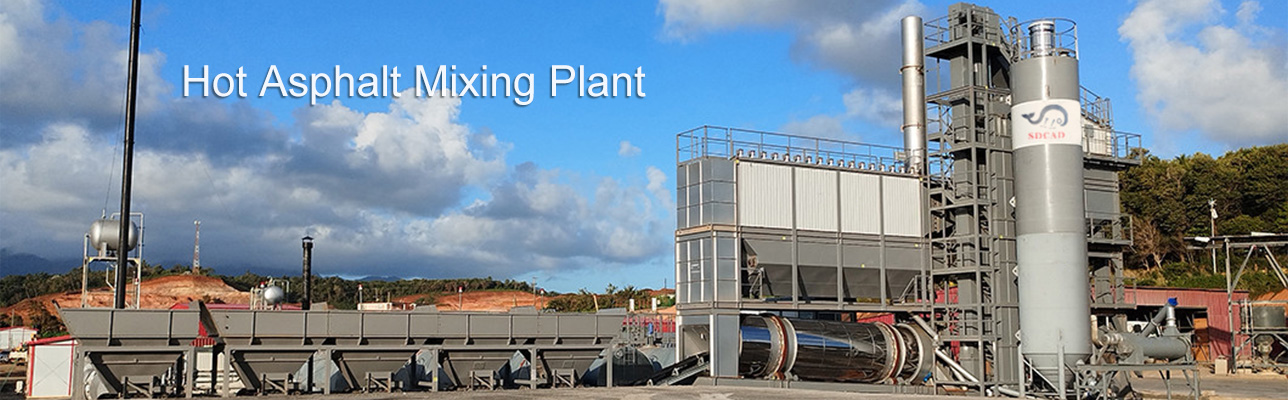
What is a hot asphalt mixing plant?
For those asking what a hot asphalt mixing plant is, it combines various types of aggregates, sand, and bitumen at high temperature to create a robust, durable surface for roads, highways, or parking lots. Asphalt manufactured from these plants is crucial as it provides the required durability and slickness that roadways require for secure transportation.
Its primary responsibility is to mix the ingredients correctly at optimum temperatures so that roadways are more durable and resistant to both traffic wear and environmental conditions.
Temperature is everything to these plants. The mixing process must maintain all of it between 100 and 200 degrees Celsius. At this temperature, bitumen softens and binds the stone and sand uniformly. If the mix is too cold, it won’t stick right and the road will crack or deteriorate faster.
If it is too hot, the bitumen can deteriorate, weakening the mix and making it less sticky. Maintaining the perfect temperature means your finished asphalt will remain resilient and last for years, even with the weight of heavy vehicles or trucks.
Hot asphalt mixing plants contain many components that cooperate to ensure the mix has a consistent temperature. The cold aggregate supply system accumulates, stores, and transports raw stone and sand to the plant. They then enter a drum dryer, which heats and dries them prior to mixing.
A coal burner, or in some cases a gas or oil burner, maintains the dryer at the desired temperature. Next, the dried stones rise up a hot aggregate elevator, after which they are sifted through a vibrating screen to separate them by size.
There is a filler supply system for such things as stone dust that fills small voids in the mix. The weighing and mixing system ensures each component is accurately weighted just prior to mixing. The bitumen storage and feed system maintains the bitumen hot and prepared to add.
When mixed, hot asphalt goes into storage silos until it is trucked to the job site. Standard plants come in 40 to 60 tons per hour for small jobs or 80 to 160 tons per hour for larger ones, providing contractors various choices depending on project magnitude.
Today’s hot asphalt mixing plants need to address environmental requirements. Dust collectors, such as bag filters or wet scrubbers, extract dangerous dust and smoke from the air prior to discharge from the plant. This makes the site cleaner and reduces air emissions.
Plants typically employ sophisticated controls to monitor temperature, flow and dust to ensure compliance with regulations regarding emissions and waste. Certain plants incorporate recycled asphalt, which reduces waste and expense, but excessive amounts of recycled mix, more than 20%, can compromise the final road.
Most plants implement these measures to reduce their environmental footprint and maintain the process safe for employees and surrounding communities.
Hot Asphalt Mixing Plants Core Production Process
Hot asphalt mixing plants make road-grade asphalt using the following sequence of controlled steps. This begins with raw materials and culminates with road-ready hot mix. Every stage of the process involves precise timing, temperature regulation, and quality testing to ensure safety and durability standards are met.
Step-by-Step Production Process
First, raw aggregates like gravel, sand, and stone funnel into cold hoppers. These are conveyed by belt to a dryer drum for heating. Inside the rotating drum, a fuel-efficient burner dries and heats the aggregates to 150 to 180 degrees Celsius, ensuring moisture is eliminated and the surface is primed for mixing.
Two main plant types are used: drum mix plants, which run non-stop, and intermittent (batch) plants, which work in cycles. Both heat aggregates, but they differ in how they blend and meter materials.
As the aggregates heat up, the asphalt binder warms in a separate tank to 150-170℃. This temperature provides the binder with good flow, so it envelops each piece of stone. A high-precision metering device adds the binder to the mix, featuring a metering error as low as ±0.1%.
This keeps the binder and aggregate ratio just right, which is crucial to both strength and workability. In batch plants, a mixing chamber mixes these materials for 35-60 seconds. This brief but important process enables the hot binder to coat every aggregate fragment, rendering the blend uniform and consistent. Drum mix plants batch the heating and mixing together, making the process more efficient.
Role of the Dryer Drum in Heating Aggregates
The dryer drum is central to the entire process. It spins and heats simultaneously with a clean-fuel burner. This allows the plant to maintain tight temperature control, so aggregates emerge dry and at the optimal heat.
If it gets too hot, it can cause the binder to age and lose its tackiness. If it is too low, the binder won’t coat the aggregate well. Newer plants utilize sensors that help regulate the heat and keep the drum in the 150-180℃ range, cutting back on operator errors and increasing fuel savings.
Stable drum heat leads to better mix quality and less waste.
Importance of Quality Control Measures
Quality control checks operate at every point. Sensors and samplers verify moisture in the aggregate, mix temperature, and binder content. Metering equipment maintains a constant binder to aggregate ratio.
Random samples are pulled to check gradation, binder percentage, and temperature. This prevents the final mix from becoming too stiff or too loose, causing premature road failure. Quality checks help the plant catch problems fast, saving time and money.
Proper Scheduling and Logistics
Efficient scheduling means plants can produce 2,000 to 6,000 tons of hot-mix a day. Plant operators schedule aggregate deliveries, fuel supply, and truck loading so the plant operates continuously.
Hot mix bypasses directly to insulated silos or trucks, still hot for paving. Even a missed schedule or slow truck loading can cool the mix prematurely, damaging the quality of the road. Smooth logistics make projects wrap on schedule and with less waste.
differences between hot asphalt mixing plants and cold asphalt mixing plants
Hot and cold asphalt mixing plants are both involved in road and pavement work, but they operate differently and suit different types of projects. Understanding the core distinctions can assist in selecting the optimal plant for every project, whether it is an interstate stretch or a roadside repair.
Temperature requirements
Hot asphalt mixing plants operate at elevated temperatures. They heat both the asphalt binder and the stone and sand (the aggregate) to approximately 150°C to 175°C (300°F to 350°F). This heat makes the mix malleable and easy to spread, but it means the mix cools fast and needs to be used immediately.
Cold asphalt mixing plants don’t require heat. They combine the binder and aggregate at ambient air temperature, so they don’t require large burners or special heat measures.
Mixing methods
It’s their mixing method that distinguishes these plants from one another. Hot plants use big rotating drums or batch mixers that tumble the stuff while it’s hot, like mixing a cake batter, so it all sticks together well.
The plant is large, consumes a great deal of energy, and must cope with extreme heat. Cold plants use much simpler mixers, such as pugmills, that operate at ambient temperature. They inject chemical binders or emulsions to aid the mix in sticking, but they never have to heat anything up.
Performance characteristics
Hot mix asphalt is for strong, long-lasting roads. It can take heavy trucks, lousy weather, and tons of wear and tear, frequently lasting 15 to 20 years before it requires maintenance.
Cold mix asphalt is less durable. It is great for patch jobs or quick fixes and tends to need repair every 3 to 5 years. The durability and longevity of hot mix makes it the number one choice for expressways and high-traffic roads.
Differences in temperature, mixing, durability, and cost
|
Feature |
Hot Asphalt Mixing Plant |
Cold Asphalt Mixing Plant |
|---|---|---|
|
Temperature |
150°C-175°C (300°F-350°F), needs heating |
No heating, ambient temperature |
|
Mixing Method |
Rotating drum or batch mixer, high energy |
Pugmill, chemical binder/emulsion, low energy |
|
Durability |
High, 15-20 years |
Medium, 3-5 years |
|
Cost |
Higher for big projects, better for long-term |
30%-40% less, good for small repairs |
Construction time, adaptability, storage, and sustainability
Hot mix takes much more time to produce and apply. It must be put down hot, so crews have to hustle. Cold mix can be deployed for turnaround jobs.
Single-lane patches can wrap up within one to two hours, typically in cold or wet conditions. Cold mix stores well and can sit for months without going hard, primed for mini repairs anytime.
Hot mix cannot be stored; it has to be used immediately. When it comes to recycling, hot-mix plants are the industry leaders and are able to recycle up to ninety-five percent, proving themselves more sustainable.
Cold asphalt is less green, but it saves for short-term fixes.
Choose appropriate Types of Hot Asphalt Mixing Plants
There are several types of hot asphalt mixing plants, designed with a variety of road construction and repair requirements in mind. The two primary categories are batch mix plants and drum mix plants. Both heat the aggregates and mix them with bitumen, but that’s where their process and design diverge. Knowing these types and their sub-types helps you choose the right plant for the job, whether it’s a small walking path or a huge highway.
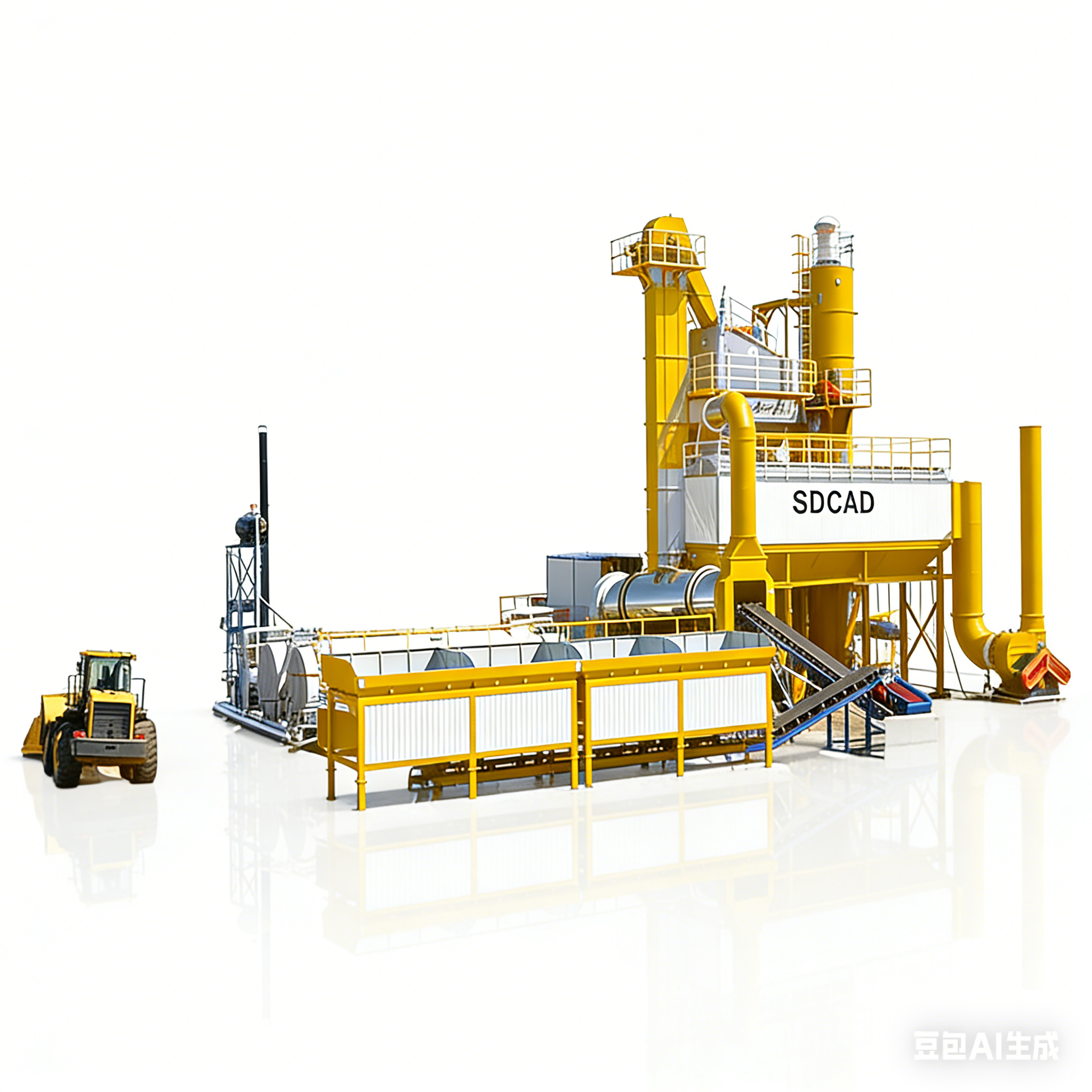
Stationary Hot Asphalt Mixing Plant
- Capacity: 40~400t/h
-
Mixer Capacity: 500-5000kg
-
Drying Drum Size: (1200~3600)*(5200~10800)mm
-
Fuel Consumption (oil): 6.5-7kg/t
Get A Quote
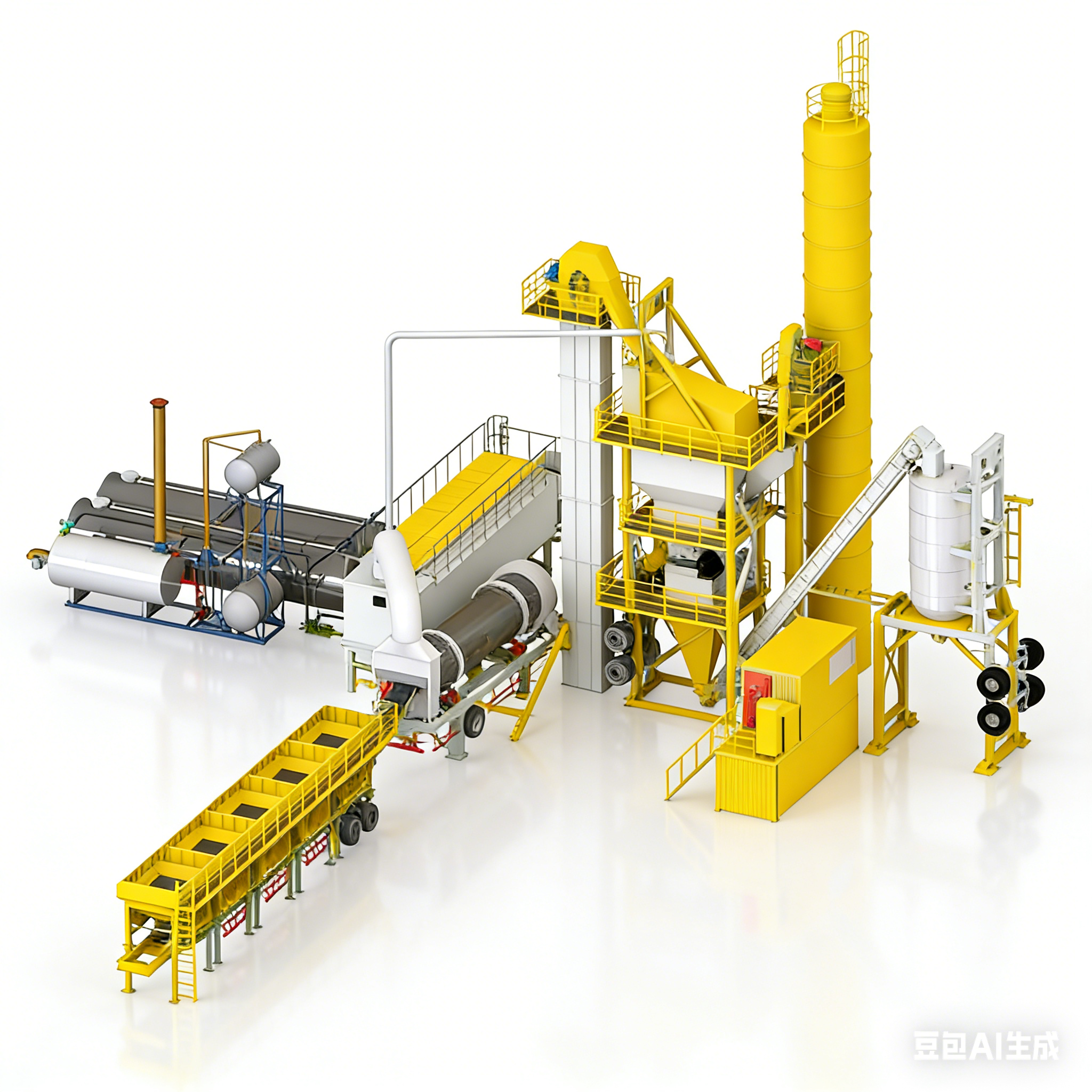
Mobile Hot Asphalt Mixing Plant
-
Capacity: 60~320t/h
-
Mixer Capacity: 800-4000kg
-
Drying Drum Size: (1500~2600)*(6000~9000)mm
-
Fuel Consumption (oil): 6-7kg/t
Get A Quote
Major Application Areas of Cold Asphalt Mixing Plants
Cold asphalt mixing plants are selected because of their ability to operate in varied weather conditions, ease handling at the site and minimize the requirement of heating. Their eco-friendly designs assist teams with cost savings and energy reductions, which is why they’re implemented in so many different projects.
Cold asphalt mixing plants make it simple to produce and apply cold-mix asphalt, which is stockpiled and spread without heating, rendering them useful for large and small-scale projects worldwide.
The first and most frequent application is for patching. Cold asphalt mixes are perfect for repairing potholes or damaged road surfaces in high traffic areas. The mix is ready to use out of the plant, so crews can fix fast, reducing the amount of time roads remain closed.
This technique is convenient in urban settings as well as in rural ones because the material keeps for weeks or months, so it is on hand when an unexpected fix comes along. Fast patching is a big win, particularly in locations with rapidly shifting weather or roads that are used year round.
Next, rural road maintenance. These are spaces that tend to have lean budgets and require durable repairs. Cold mix asphalt is a perfect fit here, as it doesn’t require sophisticated equipment or extensive preparation.
Workers can utilize the mix for surface repairs or to grade gravel roads, keeping them safe and dust free. The savings are obvious, and because it’s easy, smaller teams can manage the job without heavy equipment.
Cold asphalt mixing plants fit for temporary road construction sites. Whether they’re constructing new roads or establishing detours, crews require materials that are lightweight and straightforward to apply.
Cold mix asphalt can be established fast so that traffic flow can continue during big work. Its versatility allows crews to adapt to dynamic site demands, be it for temporary access paths or as a substrate prior to paving.
Major application areas of cold asphalt mixing plants include:
Pothole patching and pavement repair
Maintenance of rural and low-traffic roads
Temporary road and detour construction
Airfield and runway repairs in remote locations
Emergency repairs after natural disasters
Road shoulder and edge stabilization
Parking lot surfacing and repair
Utility trench reinstatement
Such plants assist in emergency repairs, say post-flooding or quakes, when ravaged roads need a rapid patch so relief can get through.
Airfield repairs in remote locations, cold mix can be transported to a site where there’s no full-scale plant. Parking lots, shoulders and edges of roads are frequently surfaced or repaired with cold mix since it is easy to work with and doesn’t require special equipment.
Utility work, such as trench reinstatement following water or gas line repairs, is another key use-case for cold asphalt as it allows crews to fill and patch rapidly, with less downtime before the surface can be used again.
Guidelines on Choosing the Most Suitable Hot Asphalt Mixing Plant
Selecting the right hot asphalt mixing plant starts with knowing your job needs since the best fit is not always the biggest or most costly model but the one that matches your work plans and site limits. Selecting a plant involves considering what you want to construct, your hourly mix requirements, and the consistency of your projects.
For work that varies in scale or type, you require a plant that can keep up with these fluctuations without squandering time or money.
Assess the production capacity needed based on project requirements to determine the right plant size.
It’s best to first determine how much mix your project consumes per hour. This is generally provided in tons per hour. For most jobs, your perfect plant will run at 80 to 90 percent of its maximum, which is better for the machine and keeps your mix more even.
A plant with a capacity of 40 to 80 tons per hour might suffice for a small city road, but you might want 120 to 160 tons per hour or higher for a big highway. If you only need to run it a few months a year, see how many hours a day they will run it, and at what speed.
It’s one thing to run full speed for eight hours and quite another to do slow, off-and-on work, and you want a plant that can keep up but not waste.
Evaluate the technology and features offered by different models to ensure they meet operational needs.
There are two main types: batch type and drum type. Batch plants produce mix in batches, so it’s simple to alter the recipe or to flush the drum. We call drum plants non-stop because they use a minimalist design, with bitumen and filler introduced in the drum’s rear, away from fire.
Both have advantages and disadvantages. Batch types are best if you have a lot of mix switching or require high-end control, such as airports or large metropolitan roads. Drum types are ideal for long, steady projects where you want to reduce maintenance and require less mix variability.
Newer plants provide digital controls, mix checkers and green add-ons, such as the ELB or CFB models that reduce smoke and dust. These assist in fulfilling each job’s specs and native guidelines.
Consider the mobility requirements, especially for projects in remote or changing locations.
For remote or travelling job sites, you require a highly portable plant. Mobile or portable plants assemble and dismantle quickly, so you eliminate lengthy hauls on the highway or expensive relocations.
If your work is urban, a fixed plant may suit, but for work jumping around, a mobile drum plant frequently pays off and fits compact sites.
Create a checklist to detail the guidelines on choosing the most suitable hot asphalt mixing plant.
-
Check project size, type, and timeline.
-
Calculate the mix requirements per hour in tons and correspond the plant size.
-
Choose batch for mix changes, drum for steady jobs.
-
Look for control tech, mix checkers, and eco features.
-
Make sure the plant can move if needed.
-
Ask about spare parts for the next few years.
-
Match the plant’s top speed to your actual job requirements.
-
Weigh in site space, power, and local rules.
-
Ensure the plant runs best at 80 to 90 percent most of the time.
-
Price out not only the plant but also how much it costs to run and fix it
Guidelines on Choosing the Most Suitable Hot Asphalt Mixing Plant
Selecting the right hot asphalt mixing plant starts with knowing your job needs since the best fit is not always the biggest or most costly model but the one that matches your work plans and site limits. Selecting a plant involves considering what you want to construct, your hourly mix requirements, and the consistency of your projects.
For work that varies in scale or type, you require a plant that can keep up with these fluctuations without squandering time or money.
Assess the production capacity needed based on project requirements to determine the right plant size.
It’s best to first determine how much mix your project consumes per hour. This is generally provided in tons per hour. For most jobs, your perfect plant will run at 80 to 90 percent of its maximum, which is better for the machine and keeps your mix more even.
A plant with a capacity of 40 to 80 tons per hour might suffice for a small city road, but you might want 120 to 160 tons per hour or higher for a big highway. If you only need to run it a few months a year, see how many hours a day they will run it, and at what speed.
It’s one thing to run full speed for eight hours and quite another to do slow, off-and-on work, and you want a plant that can keep up but not waste.
Evaluate the technology and features offered by different models to ensure they meet operational needs.
There are two main types: batch type and drum type. Batch plants produce mix in batches, so it’s simple to alter the recipe or to flush the drum. We call drum plants non-stop because they use a minimalist design, with bitumen and filler introduced in the drum’s rear, away from fire.
Both have advantages and disadvantages. Batch types are best if you have a lot of mix switching or require high-end control, such as airports or large metropolitan roads. Drum types are ideal for long, steady projects where you want to reduce maintenance and require less mix variability.
Newer plants provide digital controls, mix checkers and green add-ons, such as the ELB or CFB models that reduce smoke and dust. These assist in fulfilling each job’s specs and native guidelines.
Consider the mobility requirements, especially for projects in remote or changing locations.
For remote or travelling job sites, you require a highly portable plant. Mobile or portable plants assemble and dismantle quickly, so you eliminate lengthy hauls on the highway or expensive relocations.
If your work is urban, a fixed plant may suit, but for work jumping around, a mobile drum plant frequently pays off and fits compact sites.
Create a checklist to detail the guidelines on choosing the most suitable hot asphalt mixing plant.
-
Check project size, type, and timeline.
-
Calculate the mix requirements per hour in tons and correspond the plant size.
-
Choose batch for mix changes, drum for steady jobs.
-
Look for control tech, mix checkers, and eco features.
-
Make sure the plant can move if needed.
-
Ask about spare parts for the next few years.
-
Match the plant’s top speed to your actual job requirements.
-
Weigh in site space, power, and local rules.
-
Ensure the plant runs best at 80 to 90 percent most of the time.
-
Price out not only the plant but also how much it costs to run and fix it
Ten ways to find hot mix asphalt plant near me
Hot mix asphalt plants are a cornerstone of roadwork and construction, so it’s essential to locate one you can trust in your vicinity. These plants mix approximately 95% stone and sand with 5% asphalt binder, employing heat and mixing machinery to create a durable, slick road surface.
Locating the best plant does not just accelerate your job; it helps deliver material that complies with quality and safety standards.
Google is one of the quickest ways to find a hot mix asphalt plant near me. Search for something specific like ‘hot mix asphalt plant near me’ or ‘asphalt plants near my location’. If you look on most search engines, you will get a list of plants, reviews, and maps.
Most plants have websites with information on what they produce, their capacity, and how to order. Seek a business history; plants that have been open for years typically know how to mix quality asphalt that holds up under lots of traffic and elements.
Branching out to industry directories is another easy move. Most areas have online or paper directories for construction and roadwork services. These directories typically display business names, addresses, contact information, and occasionally reviews or feedback from previous customers.
Worldwide directories of construction companies can allow you to compare your options, all in one place, which is a big time saver. Some directories even categorize plants by size, output or additional services, simplifying matching a plant to your project’s requirements.
Consulting with local contractors and construction companies provides you with insider information. These companies work with asphalt plants all the time and know which ones deliver on time, keep quality high and have good customer service.
Request references or inquire about previous projects to get a feel for plant performance and reliability. This type of networking can bring to the fore plants that use recycled materials or have stringent safety measures, all of which might be crucial to your work.
Other ways to find hot mix asphalt plants nearby include:
-
Ask friends, relatives, or colleagues who have had asphalt used for their projects for referrals.
-
Ask at local building supply shops. They often know of nearby plants.
-
Visit business review sites for ratings and real comments.
-
Check out muni or gov sites for licensed plant lists.
-
Try map apps to discover and compare plants by travel time.
-
Attend trade shows or expositions to find plant representatives in person.
-
Go visit the plant and see them in action. Inquire about quality checks.
When selecting a plant, consider their quick delivery capabilities, output capacity, and whether they have mixes tailored to your project. A few companies will do custom blends or quicker turnaround for local work.
Taking a plant tour allows you to check out their equipment, meet the staff, and inquire about their quality and safety processes, which are essential for large or extended projects.
Frequently Asked Questions
What is a hot asphalt mixing plant?
A hot asphalt mixing plant refers to a facility that is used to heat, dry and blend aggregates with bitumen to create hot mix asphalt for use in road construction and repair.
How does a hot asphalt mixing plant differ from a cold asphalt mixing plant?
Hot asphalt mixing plants use heat to mix materials, resulting in robust, long-lasting asphalt. A cold plant pulverizes at cooler temperatures, which is perfect for smaller, temporary fixes.
What are the main applications of hot asphalt mixing plants?
Hot asphalt mixing plants are typically employed for highways, airport runways, city roads, parking lots, and large projects.
What types of hot asphalt mixing plants are available?
There are two main types: batch mix plants and continuous (drum) mix plants. Both provide varying production capabilities and versatility.
How much does a hot asphalt mixing plant cost?
Prices range greatly depending on capacity, features, and location. Typically, they are between USD 100,000 and more than USD 1,000,000.
What should I consider when choosing a hot asphalt mixing plant?
Think about output capability, fuel usage, QC systems, eco-friendliness, and customer service.
How can I find a hot mix asphalt plant near me?
Search online, reach out to local construction suppliers, or utilize industry directories to find plants in your vicinity. Always check for reviews and certifications.
Contact Us