Key Takeaways
-
Choose the right type of asphalt plant by matching production capacity, mix flexibility and mobility options to your operation and projects.
-
Let’s instead focus on newer technologies and greener practices, like incorporating recycled asphalt into the mix and improving emission controls. These practices can make asphalt production more sustainable and compliant with regulations.
-
Conduct comprehensive site assessments to ensure optimal plant location, taking into account environmental impact, zoning regulations, logistics, and community considerations.
-
Enforce strict quality control measures, preventative maintenance scheduling, and safety protocols to maintain high standards of mix quality, operational efficiency, and employee safety.
-
Watch capital and operating cost, too, with energy-efficient and resource-effective considerations to make the plant profitable for a long time.
-
Always watch market demand, production costs, and adjust your business accordingly to stay competitive in the asphalt plant industry.
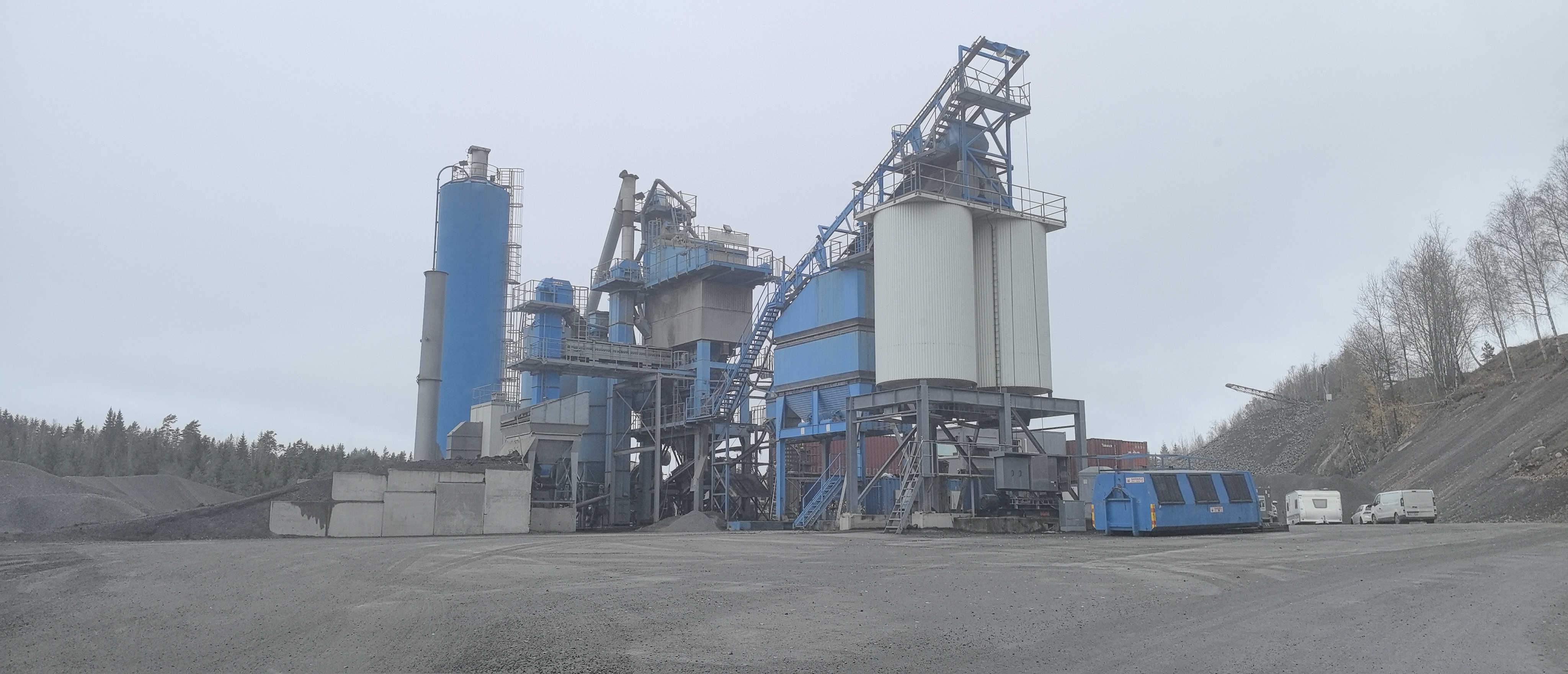
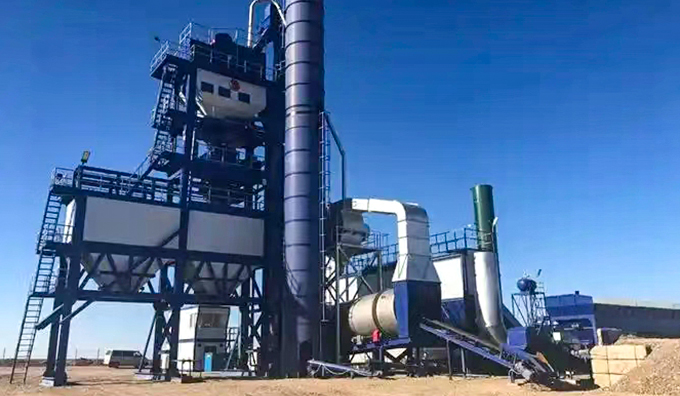
An asphalt plant is a facility where raw materials like sand, gravel, and bitumen are combined to produce asphalt for road construction. These plants use machines and heat to mix the materials so it fits rigid quality standards for public works.
Batch mix and drum mix are the two main types, each with their own method of mixing and heating the materials. Most modern plants use controls and sensors to keep mixes consistent and safe for roads.
Clean air and safe work rules are rigorous in this industry, influencing plant operations on a daily basis. The blog will demonstrate how asphalt plants operate and what to look out for in their configuration.
Choosing your plant type
Selecting your asphalt plant is about considering your project requirements, the quantity of asphalt needed, and the type of mixes you have to manufacture. Each plant type has its own strengths and trade-offs, so aligning the plant to your workflow will help make your operation smoother and save resources. Good plants operate at roughly 80% of their rated output. Oversizing or undersizing consumes both costs and performance.
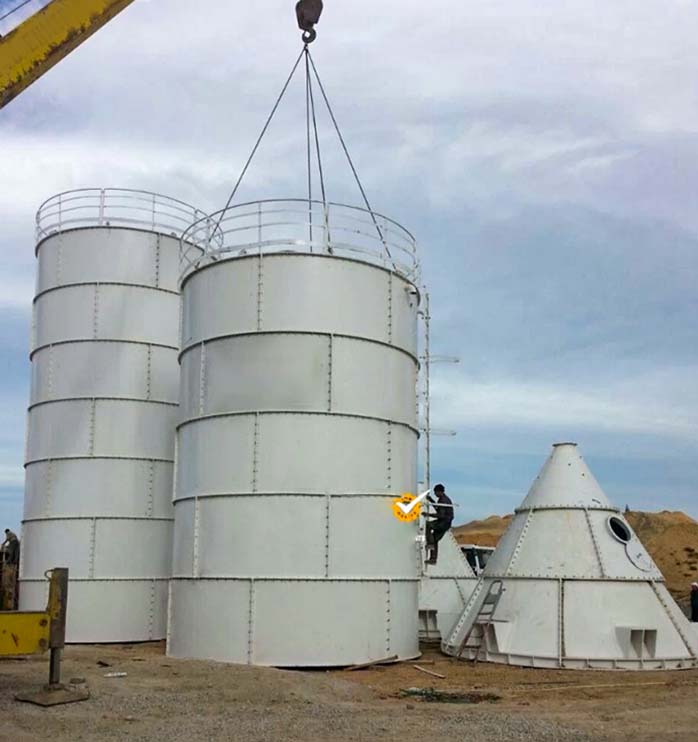
Modularity, like a second silo or a bigger burner added later, can help scale without overspending upfront.
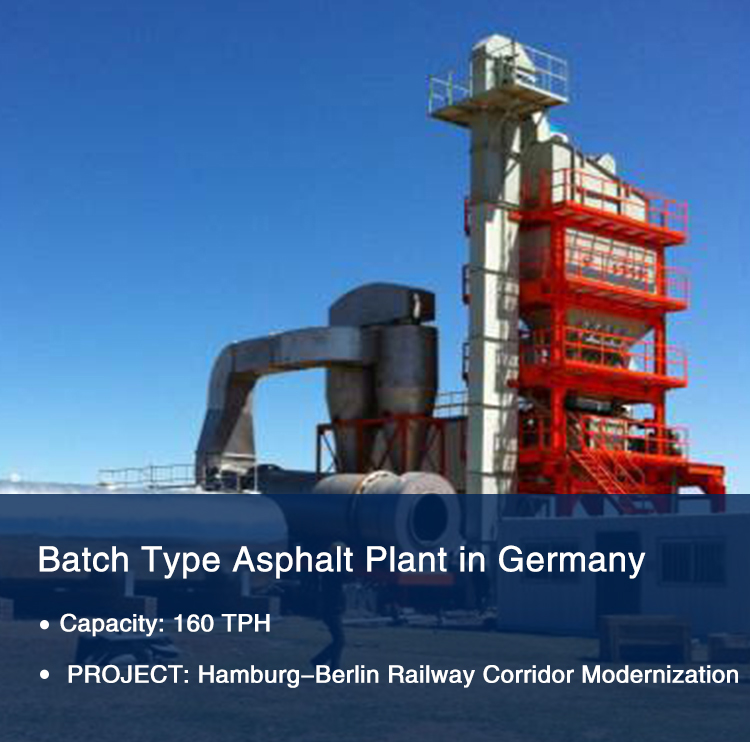
Batch Mix
-
Dense-graded mixes for highways
-
Stone mastic asphalt for heavy-duty pavements
-
Open-graded friction courses
-
Polymer-modified asphalt mixes
-
Warm-mix asphalt variants
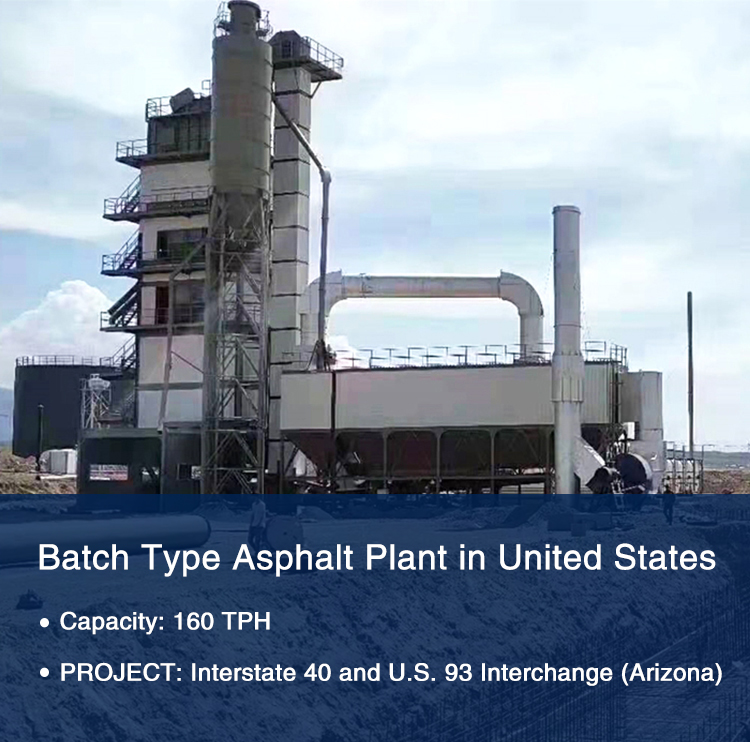
Batch mix plants are standard bearers in quality asphalt control. On every batch, the operator can verify mix proportions and adjust, assisting consistent results. This is why they are the default for mission-critical or high-quality requirements projects. If your jobs tend to move between asphalt recipes, even within the same day, a batch plant manages this with simplicity, ensuring the production of hot mix asphalt or warm mix asphalt as needed.
It’s not easy to move a batch mix plant. These plants are designed for fixed operation, and moving can lead to major downtime and logistical headaches. If your work is sporadic, this can be a killer. The start-and-stop nature can reduce output if you’re primarily producing only one blend in big batches, especially when considering the lifespan of the equipment.
When you have to offer a portfolio of specialty mixes, or when quality and recipe flexibility are non-negotiable, batch mix plants earn their keep. For consistent, high volume work with just a mix of one or two, the batch process may be overkill.
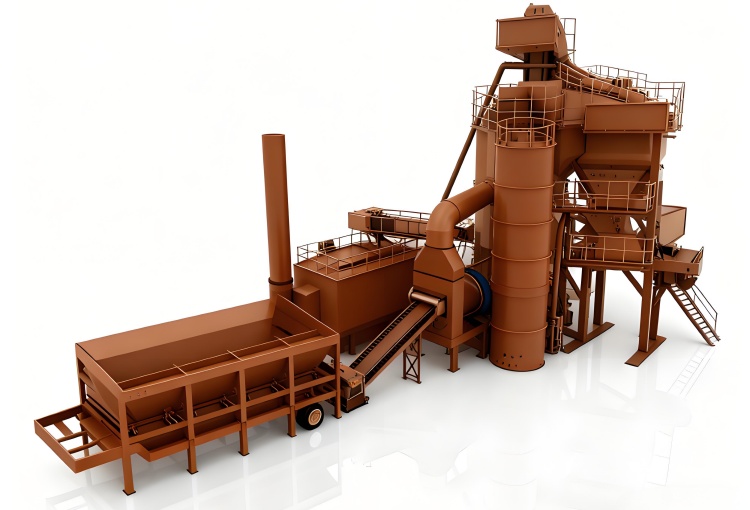
Drum Mix
Drum mix plants keep materials flowing and mixing without interruption. This increases production. Their primary advantage is high output with better mobility than batch plants.
Drum mix plants can be moved around more easily. Their constant mixing means they are great for projects requiring constant delivery over extended periods. The quality of the end product rests on aggregate consistency, and dosing accuracy can’t equal batch plants.
This means a tight watch on content quality is essential. Drum mixes are ideal for large, homogeneous projects where mix changes are infrequent. Quicker manufacturing fits nicely with hard project deadlines. Operating a drum plant at half load wastes fuel and under performs, so strive for that 80% sweet spot.
Mobile Plants
Mobile asphalt plants are for jobs on the go. They can rapidly establish new locations, which is a major advantage for road construction in remote or shifting areas. The initial cost and installation complexity tends to be greater than for fixed plants.
This price is more than made up for by the increased speed and versatility. Having the ability to drive the plant to the job minimizes transport time and keeps asphalt hot and workable. Portability lets you hit dispersed jobs without big drives.
Modularity allows you to attach silos or swap burners as you expand. Certain models feature automated controls, recycled asphalt support, and fast-change options for different mixes on the fly. Selecting a mobile plant is logical for contractors who appreciate flexibility and wish to address multiple sites with a single essential piece of equipment.
The modern, greener plant
About: The newer, greener plant These plants employ new technology and improved processes to produce asphalt, concentrating on reducing emissions and fuel consumption. Production now relies on scrap, which helps slash overhead and keeps used asphalt from cluttering landfills.
With every plant capable of producing as much as 100,000 tons of 100% recycled asphalt annually, the transition from old habits is obvious. It can save almost 42,000 barrels of oil a year and reduce embodied carbon by as much as 70%.
Greener plants harness barges to their advantage, taking some 48 trucks off the road with every trip. Fewer trucks mean less traffic and cleaner air. Some plants send as much as 850,000 tons of sand and stone by barge annually, demonstrating a genuine shift in the way plants operate and consider shipping.
Emission Control
-
Regular Inspection and Maintenance: Keep all filters, scrubbers, and baghouses in top shape. Make sure to check for leaks and repair broken seals immediately. Check that all air pollution control equipment performs properly.
-
Emission Monitoring: Use sensors to track air pollutants such as volatile organic compounds and particulate matter. Log information regularly to look for patterns or abrupt shifts.
-
Documentation and Compliance: Maintain up-to-date emissions and maintenance logs. Present these logs during audits or government inspections to demonstrate lawful operation.
-
Staff Training: Teach plant workers about the right ways to run and fix emission controls. Tell us why these regulations matter for the law and the earth.
To comply with the law, plants have to adhere to local air quality regulations. These regulations restrict what can be emitted into the atmosphere, and violating them can result in fines or worse.
By monitoring emissions frequently, plants can detect issues before they develop. This assists in making the air cleaner for those who live in close proximity. The new, greener plant. Staff must learn why emission control is key. This instills a responsibility and maintains expectations.
Recycled Materials
Incorporating RAP reduces expenses and minimizes waste. Plants with special systems can inject RAP without damaging the quality of the final mix. These systems allow plants to utilize up to 100% recycled asphalt, conserving raw materials and reducing landfill usage.
For instance, a single plant can divert approximately 100,000 tons of RAP from landfills annually. Put the green on the green – marketing the green benefits of recycled asphalt builds trust. Displaying the decline in petroleum consumption and reduced greenhouse emissions makes an impact.
It’s smart to keep up with new recycling tools. New machines can handle more RAP, offering plants additional ways to stay green.
Energy Efficiency
Modern, greener plant Plants can reduce fuel consumption through burner tuning and heat recovery. Energy monitoring is a smart way to find inefficiency. Little things such as repairing leaks or improving insulation can translate into substantial savings.
Training staff in these keeps the plant running smooth. Energy savvy teams slash costs down the line. Each of these measures contributes to a more environmentally friendly, cheaper to run plant.
Strategic site planning
Strategic site planning for an asphalt plant involves thoughtful consideration of the project’s specific demands, anticipated deliverables, and schedule. This stage demands a mix of engineering, legal, and environmental considerations that dictate how optimally the plant operates. Selecting optimal production capacity typically falls somewhere in the 60 to 160 TPH range and accounting for space for mobile or stationary plants is necessary.
Smart site planning aligns machinery, utility lines, and storage to reduce time and expenses. Poor site planning can lead to expensive rework, delays, or even entanglement in regulatory issues, which is why nailing this early on is crucial.
Location
-
Evaluate air and water quality impacts
-
Check noise level restrictions
-
Assess risks of dust emissions and odor control
-
Confirm safe distance from residential and wildlife areas
-
Consider local climate, temperature, and moisture impact on materials
-
Study the effect on nearby traffic flow and congestion
The selected site should satisfy production requirements and minimize the plant’s effect on its environment. Community input is essential. It sometimes influences design decisions, such as incorporating sound barriers or dust collectors.
Select a location with adequate space for a mixing tower, storage silos, and vehicle traffic. Don’t forget expansion; space for additional stockpiles or spare silos can be cost-saving if demand picks up. Seek sites with reliable access to electricity, water, and waste management. If these aren’t on hand, the price to truck in can be steep.
Being near major roads and rail lines will reduce transport costs and maintain on-time deliveries.
Regulations
Learn the regulations on noise, emissions, and waste management. Local, state, and federal agencies often have varying requirements and it’s not optional to comply with them. A missed permit or license can hold up a project for weeks.
It’s savvy to verify air quality laws, as these can evolve during the design process. Two of the most important permits are air emissions and zoning. Both can take months to obtain. Lock them down before you break ground.
At least consult with a lawyer or, better yet, work with consultants familiar with the local regulations. Maintain a compliance checklist and make reviewing it standard operating procedure. Save some days, permit conditions wise, for maintenance.
Demonstrate to regulators you’re earnest about compliance. This prevents penalties and keeps plant operations flowing.
Logistics
|
Strategy
|
Benefits
|
|
Proximity to suppliers
|
Faster delivery, less transport cost
|
|
Staging material stockpiles
|
Reduces handling time, smooths workflow
|
|
Dedicated maintenance days
|
Less downtime, more predictable schedules
|
|
Use of logistics software
|
Better tracking, easier scheduling
|
Make friends with raw material suppliers early. Dependable vendors lead to less chance of running out of aggregates or bitumen. Time truck arrivals to prevent traffic jams during rush hours.
Designate loading zones for fast, convenient access, minimizing wasted time. Contemporary plants routinely employ software to monitor shipments and production schedules. These types of systems help detect delays before they become issues.
Mobile asphalt plants, for instance, can be installed near job sites in days, reducing travel time and increasing responsiveness.
Maximizing plant efficiency
Maximizing efficiency in an asphalt plant is about more than just achieving greater tons per hour. It requires a combination of quality control, hands-on care, safety, and intelligent technology. Each phase impacts energy consumption, material integrity, and sustained production.
The right routines can minimize waste, maintain consistent mixes, and keep the company competitive in a hard market. From burner tuning to silo transitions, every detail contributes to how efficiently the plant runs.
Quality Control
An effective quality program begins with rigorous testing of both raw materials and finished mixes. Samples taken from both the aggregates and RAP are tested for gradation, moisture, and contaminants. Conducting routine sieve analysis and binder content inspections helps identify problems before they impact production.
Plants employing SPC can monitor mix trends in real time, detecting shifts in air voids or density prior to failure. Training for staff is crucial. Each and every person in the plant needs to be able to identify and address quality problems.
This translates into practical exercises, case studies, and current standards. Good documentation counts as well. By recording test results, failed batches, and corrective measures, the plant can track issues and demonstrate compliance.
By tracking quality data, operators can respond quickly. If a test reports high moisture in aggregate, they can dry stockpiles or adjust burner settings, conserving energy and maintaining quality. Plants that concentrate on these actions experience a lower number of rejected loads and improved performance as time goes on.
Daily Maintenance
Operators should adhere to a comprehensive daily checklist. It spans all the way from burner tuning to checking conveyor belts for wear. This checklist prevents minor problems like leaking valves or worn rollers from causing breakdowns.
For example, maintaining silo gates and weigh hoppers clean allows the flow to stay fluid and prevents mix build-up. Training operators on why each step matters makes a huge difference. When they realize that a one percent decrease in aggregate moisture can save twenty-seven thousand one hundred BTU per ton, those daily inspections seem less like a pain and more like an effective cost-saving measure.
Maintenance logs assist in following tendencies over time. If a drum motor requires continual repair, there is an underlying problem. Histories are evidence of consistent maintenance. They reveal trends, assist in identifying recurring issues, and support compliance for audits or insurance.
The record-keeping plants detect wear early and schedule repairs before equipment breaks.
Safety Protocols
Safety is core to plant efficiency. Well-crafted safety standards address each risk, including hot surfaces, moving parts, and oxygen-deficient spaces. These rules must be explicit and simple to obey, posted in work zones, and repeated frequently.
Training keeps safety top of mind. Mock drills and toolbox talks keep staff vigilant. Emergency plans, such as fire, spill, and power loss, have to be known by everyone, not just supervisors.
Plants that do these steps heal quicker and reduce damage. Safety monitoring is best when it’s never-ending. Monthly incident and near-miss reviews reveal where to improve.
Whether it’s adjusting protocols, retraining, or posting new signage, you can make your plant safer for everyone.
Your plant investment
Making the right asphalt plant choice is a big financial decision. This decision determines your ongoing expenses, how effectively you fulfill project requirements and how much margin you experience. Geography counts. If your jobs are wide apart, a central plant can add transport costs. If your projects cluster in one location, you can operate smaller runs and more frequent batches that reduce waste and energy consumption.
The size of your plant should fit your average job. If it is too small, you risk missing deadlines. If it is too large, you pay extra to run a plant sitting idle. Modular designs assist by allowing you to plug in pieces as your requirements increase without going over budget initially.
|
Plant Type
|
Initial Cost (EUR)
|
Ongoing Expenses (EUR/year)
|
Capacity (tonnes/hr)
|
Potential Annual Revenue (EUR)
|
|
Batch Plant
|
450,000–900,000
|
100,000–250,000
|
80–240
|
500,000–2,000,000
|
|
Drum Plant
|
600,000–1,100,000
|
120,000–300,000
|
100–400
|
700,000–3,500,000
|
|
Modular Plant
|
700,000–1,300,000
|
110,000–270,000
|
100–350
|
850,000–2,800,000
|
Initial Costs
Upfront expenses extend past the sticker price of the plant. Site work, such as grading and drainage, tends to gobble up a big chunk of the budget. Utilities, including power lines, water, and fuel supply, push setup costs even higher, particularly in isolated locations. Permits and fees can blindside you if you don’t anticipate them.
It’s smart to get quotes from multiple plant makers because costs can vary by 20 to 30 percent. For instance, the identical capacity plant from two premium brands could vary by EUR 250,000. A lot of suppliers provide modular pieces, so you can just buy what you need.
Certain areas provide grants or low-interest loans for energy saving equipment. In several instances, financing partners collaborate with makers to assist you in distributing the initial expense over time. This can free up cash for other business requirements.
Operating Expenses
Operating expenses can be labor, machine maintenance, raw materials and utilities. Labor rates vary by location, and you need skilled workers to keep your plant humming. Maintenance is frequently ignored but can be a huge expense, particularly with older equipment or if you operate at full speed.
Products such as bitumen and aggregates constitute the majority of your recurring expenditure, and market rates tend to fluctuate regularly. You can reduce costs by adjusting your procedure. For instance, recycled asphalt slashes raw material costs and reduces waste.
Energy-saving drives, such as switching over to LEDs or upgrading your burners, can cut utility costs. It helps to tabulate costs monthly, so if fuel prices go through the roof or aggregate markets shift, you catch the change early. The right plant size will keep fuel use per tonne in check. Running your plant at half capacity means higher unit costs and more strain on your machinery.
Profitability
Your profit depends on how closely your plant output matches your workload and the market demand. A plant that matches your paving schedule—say 200 tonnes per hour for a 10 hour day—provides enough supply for 10 to 20 lane kilometers of pavement and enables you to land the larger jobs.
If market demand falls or projects drag, scaling back production keeps costs aligned. Get to know your fixed and variable costs to the penny. This makes it easier to price and identify where you can conserve.
Watch your sales figures and the local market. Make pricing adjustments to keep ahead of fluctuations in material costs or demand. If you find your plant is idle too much, consider toll production or selling mix to small contractors. Remain agile; throw in new modules or upgrade components if you catch an opportunity to snag larger contracts.
Conclusion
To operate your asphalt plant properly, select the plant suitable for your needs. New tech cuts waste and keeps air clean. Good site plans help get trucks in and out quickly and safely. Optimize your plant’s processes to conserve energy and extract more from every mix. Select enhancements that suit your work and budget. Every measure leaves a tangible impact on the amount your plant can return over time. From big city firms to rural crews, many owners realize improvements from minor tweaks like more efficient fuel use or strict batch controls. Keep your edge, stay curious, and bounce ideas off your crew. To cultivate your plant’s worth, begin with robust information and actual objectives. Jump in the discussion below or tap into my blog for more tips and true-life tales.
Frequently Asked Questions
What types of asphalt plants are available?
There are two main types of asphalt plants: batch mix and drum mix plants. Batch mix plants offer flexibility for various asphalt mix types, while drum mix plants are ideal for continuous, large volume production.
How can asphalt plants be more environmentally friendly?
Newer asphalt plants utilize state-of-the-art filters, recycling, and low-emission burners, along with advanced pollution control equipment, to create quality asphalt while significantly reducing air pollution and energy consumption.
What factors should I consider when choosing a plant site?
Select a location that has excellent road access, utility, and raw material availability for the production of quality asphalt, considering local ordinances and environmental issues.
How can I improve my asphalt plant’s efficiency?
Using high-quality raw materials and efficient asphalt mix production, along with regular maintenance, will accelerate your productivity while minimizing waste and saving energy.
What is the typical investment needed for an asphalt plant?
Cost varies by plant size, technology, and location, with modern asphalt plants requiring an initial investment ranging from hundreds of thousands to a couple of million US dollars.
Why is strategic site planning important for asphalt plants?
Site planning helps reduce transport costs and improve safety, while also ensuring quality asphalt for smoother road construction.
What are the benefits of investing in modern asphalt plant technology?
New plants are designed to increase output, lower emissions and reduce operating costs. They assist recycling, with the benefits of meeting environmental standards and conserving resources.