Whether it's a concrete batching plant or an asphalt batching plant, both the plan and any component can be customized. SDCAD's service is beyond imagination. We look forward to hearing from you.
Contact UsSDCAD Grout Batching Plants

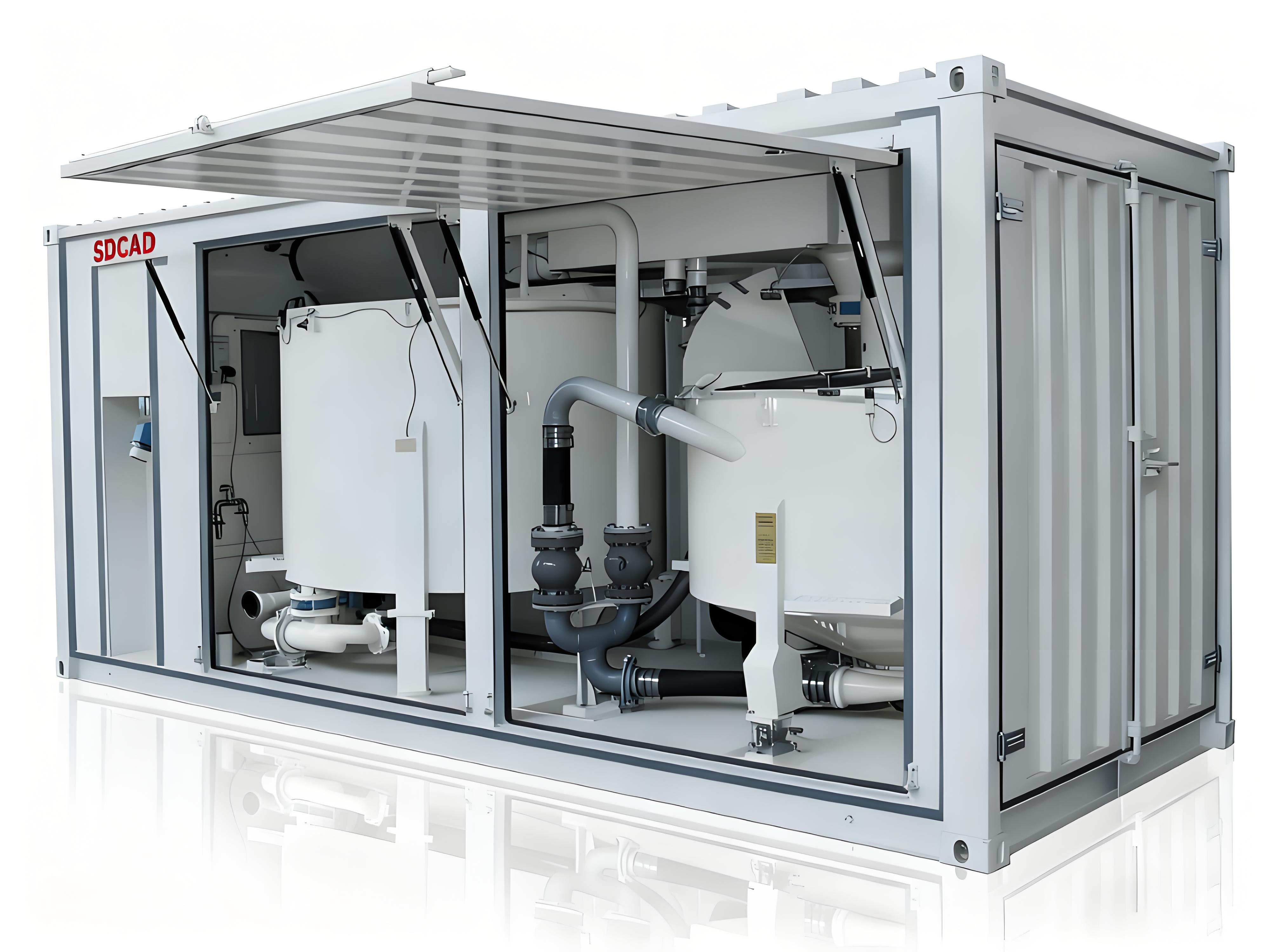
SDCAD Grout Batching Plants are used for batching and mixing concrete. These containerized grouting plants, with capacities ranging from 10 to 50 cubic meters, are widely used and trusted by grouting manufacturers worldwide, producing high-quality grout in an environmentally friendly and efficient manner.
SDCAD Grout Batching Plants has these features:
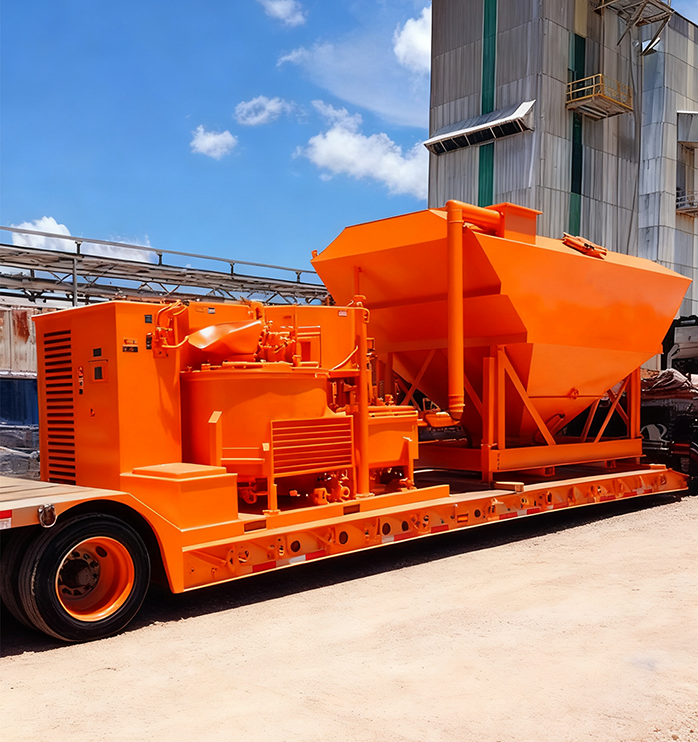



30 Essential Insights into Grout Batching Plants, Grout Mixing Plants, and Slurry Mixers
Key Takeaways
Knowing about mobile versus stationary grout batching plants and batch versus continuous mixing helps you choose the right equipment for any construction project worldwide.
Such efficiency is the beauty of well-integrated components. The more attention you pay to material quality and design, the better your grout batching plant will perform.
Automated slurry mixers and precision measuring tools highly optimize operational efficiency, minimize manual labor expenditures, and ensure quality adherence in various engineering applications.
Selecting the right grout formulation requires a thorough evaluation of project conditions, environmental factors, and the appropriate selection of additives to achieve desired strength, durability, and application-specific properties.
The right material flow, quality control routines and maintenance can help get the most out of each plant and reduce waste on construction sites around the world.
By staying informed on advancements in sustainable grouting solutions, technological innovations, and compliance with international regulatory standards, organizations can position themselves to achieve higher efficiency and environmental responsibility in grout production.
A grout batching plant is a specialized facility that mixes water, cement, and additives to create grout for construction and mining work. Deployed on massive projects like tunnels, dams, and bridges, these plants team with automated mixers, storage bins, and pumps to maintain consistent production and quality.
Some plants operate on-site for big jobs, while others service small work from central locations. Contemporary grout batching plants utilize digital controls to monitor mix ratios and flow, which keeps the final product robust and consistent.
For projects that require bulk grout, these plants save time and reduce waste. Understanding the key characteristics and practical application of grout batching plants enables construction teams to select the optimal configuration for the project.
1. Types of Grout Batching Plants
There are two types of grout batching plants, a stationary one and a mobile one depending on the needs of the project.
Stationary plants remain in a fixed location and are ideal for permanent projects requiring consistent production, such as tunnel or dam construction.
Mobile plants relocate from site to site, so they fit projects with shifting work zones.
Both types use continuous or batch mixers. Continuous plants churn out mixes non-stop and are ideal for big pours, while batch plants serve up one load at a time for more control.
With capacities stretching from 25 to 240 cubic meters per hour, they suit projects of all sizes.
2. Key Components of Grout Mixing Plants
Key components of grout mixing plants define their value proposition. Typical grout plants have a mixer, agitator, pump and storage tank to ensure the smooth consistency of the grout blend.
Mixers can be twin shaft or planetary, with each type suitable for different requirements. Twin shaft mixers are effective for viscous mixtures, whereas planetary mixers are better for fine materials.
Agitators keep slurry even and prevent it from settling, which is important for tasks like jet grouting or micropiles. Control systems, often automated, keep batching precise and reduce waste.
Plants employ stainless steel components for durability and simple cleaning.
3. Common Applications for Grout Plants
They have a significant role to play in civil work, such as for soil stabilization and filling voids in rock or earth. They backfill voids in tunnel works, such as the annular space between tunnel rings and soil with a strong binder two-component grout.
Tunneling and mining locations need consistent grout availability for ground support, and mobile grout plants can be established quickly and operated alongside other equipment like air or cooling systems.
In construction, they assist with footings, micropiles, and underpinning grouting. Some farms even use them to store and handle their liquid manure.
4. Selecting the Right Grout Formulation
Choosing the proper grout formulation influences both immediate performance and endurance. Project requirements and regional climate are major factors in grout selection.
Consider a high-traffic hospital floor subject to daily cleaning. This environment demands the use of epoxy grout due to its tight structure and resistance to stains and chemicals.
Additives are must-haves for blasting flow or slashing shrinkage. Flexible polymers ensure grout stands strong where movement or vibration is prevalent.
The water-to-cement ratio matters. Adding too much water can weaken grout and raise the risk of white stains, especially in cement-based mixes.
Premixed grouts now provide powerful, low-stain options for hectic locations with limited crews.
5. Comparison of Batch vs. Continuous Mixing
Real differences in how grout batching plants work. Batch mixing provides a lot of control over mix ratios and blending times, allowing operators to adjust each batch for custom jobs or special blends. This is why batch plants are perfect for projects with changing client requirements or custom formulas.
Each batch completes in 40 to 50 seconds, with each ingredient weighed meticulously. Continuous mixing, on the other hand, suits big projects requiring constant, high-volume production at less expensive operating costs. Continuous plants provide uniform quality assuming feed stocks remain consistent.
Batch plants favor flexibility, while continuous plants lead for scale.
6. Benefits of Automated Slurry Mixers
Automated slurry mixers excel at slashing mixing times and increasing production in grout batching plants. Equipped with rotors that turn at up to 2100 RPM, our mixers can complete jobs in 15 seconds, keeping pace with work at 224 gallons per minute and 30 PSI.
Labor costs fall as operators spend less time on manual mixing and can shift to other important tasks. Automation ensures that every batch receives the right powder or fluid mixture, which keeps grout quality consistent and compliant with rigorous requirements.
Features like built-in controls, dose control, and low-maintenance parts add safety and smoothness to daily use.
7. Importance of Accurate Measurement Systems
Accurate measurement systems are a central component of any grout batching plant. Good measurement maintains grout integrity and prevents weak pockets or inconsistent blends. For instance, ASTM C94 requires that aggregate quantities remain within plus or minus 2 percent of the requested weight.
That narrow margin implies tiny mistakes can make or break the batch, leading to weak bricks or cracks. Plants employ load cells and flow meters to measure sand, cement, and water weights for each mix.
Good dosing results in the right slump rate, which can range from 0 to 100 millimeters, suitable for every job.
8. Understanding Material Flow in Mixing Plants
Material flow is at the center of mixing plant performance, as hoppers, belt conveyors, and pumps steer aggregates, cement, and water to where they should be. The majority of plants have a minimum of three hoppers, each with two to three cubic meters.
Weighing and proportioning keep mix designs spot-on, and knowing how material flows in mixing plants and how speed of flow shapes product strength and texture is essential.
Automation now enhances control and production, allowing mixing runs to be completed in slightly over a minute.
9. Challenges in Slurry Consistency Management
Slurry consistency management in a grout batching plant is crucial for both productivity and ultimate grout quality. Typical setbacks, such as temperature and humidity changes, affect water demand and setting times. Seasonal swings, like scorching summers or moist winters, necessitate that returned concrete utilizes varying water or additive ratios to ensure effective cement grouting.
Mixing speed plays a vital role in the process. Fast mixing can trap air, while slow speeds may leave lumps unmixed. For example, increased clay content can convert slurry into a Bingham fluid, thick when stationary and thinning when stirred, especially at 30% clay. We test flow in a 45° beaker to time the initial set using reliable mixing systems to ensure quality.
This trouble typically begins when modifier dosage falls below 0.75%, weakening bonds and causing viscosity to spike. Karst water inflow carries surprise water and minerals that can corrode tunnels or dams, adding danger.
Consistency troubleshooting requires checking everything—clay, water, additives, and the timing of their addition—while adjusting incrementally for optimal results in the grout plant industry.
10. Role of Additives in Grout Quality
Additives in grout boost performance by changing workability, strength, and durability. Retarders slow set times for hot climates, while accelerators help grout reach high strength in hours.
Fiber reinforcement forms a network inside the mix, which helps keep cracks from growing and lifts tensile strength. Shrinkage compensators stop gaps from forming during curing, keeping the grout in tight contact with equipment or foundations.
Additives work best when mixed with care, not just dumped in, since too much water will significantly lower strength. Choosing the right mix of liquid additives meets job needs every time.
11. Impact of Temperature on Grout Properties
As a result, grout batching plant performance frequently varies with temperature. Heating can accelerate setting, which can sometimes cause weaker bonds. Cold weather slows curing, in some cases making grout brittle or prone to cracks.
Heat or cold affects grout strength and adhesion. To maintain stability, plants employ insulated tanks or chilled water for mixing. On big bridge projects, the crews handle temperature with heated enclosures.
In case studies, such temperature control enhanced long-term bond strength and durability as well.
12. Importance of Quality Control Processes
After that, quality control is the backbone of grout batching plants. Establishing rigorous controls is essential for maintaining both strength and flow consistency from batch to batch.
Testing and inspection steps, such as slump flow tests or density checks, assist plants in conforming to standards like ASTM C1107. Monitoring factors such as water-to-cement ratio or aggregate size allows teams to identify problems immediately and adjust before batches are sent out.
With a good quality control system in place, projects get delayed less by bad mixes, too, saving time and expense.
13. Performance Metrics for Mixing Plants
Performance metrics for mixing plants provide definite methods to test the efficiency of grout batching plants. Throughput, which measures how much mix a plant can push out during a given period, and efficiency, which refers to how much energy or resources each batch consumes, are key metrics that help teams identify weak spots.
To benchmark mixing, consider blend uniformity or slump tests. Benchmarks like mix time or output per hour provide real-life points of reference.
Monitoring with periodic inspections and automated logs can identify production or mix quality dips quickly.
14. Enhancing Efficiency in Grout Operations
In addition, a grout batching plant significantly increases the pace and uniformity of operations. For efficiency, automated batching systems help maintain mix quality and minimize manual mistakes.
Digital sensors and programmable controls now monitor mix ratios and add water or dry material on the fly. Training workers in machine handling and safety steps, including control panels and emergency stops, reduces downtime and keeps people safe.
Routine inspections of pumps, mixers, and valves avoid downtime-inducing failures and keep the plant humming. Daily equipment inspections, for instance, tend to catch worn seals before they cause problems.
15. Maintenance Tips for Mixing Equipment
A few tips to keep your grout mixers in tip-top shape for a long and effective life. Regular inspections of components such as paddles, seals, and bearings prevent minor issues from becoming major.
Catch leaks, loose bolts, or worn blades early and the mix stays even. Greasing moving parts prevents rust and keeps things operating smoothly.
Documenting each repair or inspection in a log identifies trends, so crews detect recurring issues. For instance, noticing blades wear out quickly after stirring thick grout indicates a need for harder components.
16. Troubleshooting Common Mixing Issues
Mixing issues in a grout batching plant typically manifest as clumps or an inconsistent mixture that results in fragile grout. Identifying these issues early helps keep the process smooth.
Fixing clumping involves verifying that the water-to-powder ratio matches your grout type and that your mixer blades are clean and sharp. If grout slumps out too thin or thick, a couple small adjustments to mixing speed or time can smooth it out.
For instance, a plant in Spain exchanged paddles on its aging mixer and acquired consistent grout once more.
17. Safety Protocols for Grout Operations
Safety measures in grout work reduce hazards and foster confidence on the job. Grout plant workers require defined procedures for mixing and pumping, such as inspecting hoses for leaks and maintaining a tidy work area.
PPE like gloves, masks, and safety glasses prevents skin burns or inhaling cement dust. Hazards arise from spills, chemical splashes, or clogged machinery, so grout means cautious hands.
Good training programs tell plant operators what dangers to look for, when to use gear, and when to sound alarms.
18. Effective Training for Plant Operators
Skill and safety in a grout batching plant start with effective training for plant operators. Operators must learn how to interpret gauges, shift ratios, and detect defects quickly.
Hands-on practice, walk-throughs with senior staff, and digital simulations serve well for developing these skills. Continued training allows operators to stay up to date with improvements such as automated controls or new additives.
For instance, rebooting plant operators with courses on new dosing software can reduce downtime and increase productivity.
19. Cost Factors in Grout Production
Grout batching plant costs depend on factors such as raw materials and labor rates. More expensive cement or additives raise prices, and local labor laws are a big factor.
Machinery that operates with minimal downtime translates to reduced energy consumption and service, which keeps costs in check. Smart moves like buying in bulk or using recycled water can reduce costs while still satisfying rigorous quality requirements.
Opting for high-end mixers might require a large initial investment but can result in quicker batch times and more consistent production, providing long-term cost savings.
20. Benefits of Using Pre-Mixed Grouts
Pre-mixed grouts are distinguished by their consistent mix and ready-use format. Whether it is a bathroom tile job or a commercial floor, the mix keeps work clean and quick, resulting in less setup and mess.
On big sites or remote builds, crews report they can complete projects sooner and prevent errors from bad mixing. Factories test every batch’s durability and feel, so it remains silky and robust in the end.
Many brands use less water and reduce waste, helping builders meet their green goals.
21. Environmental Considerations in Grout Mixing
Grout batching plants have a significant impact on the environment through their day-to-day activities. Unused mix waste and dust emissions add up, so smart controls and closed-loop water save both.
Even in grout mixing, many plants now rely on recycled aggregates or low-carbon binders to reduce their carbon footprint. Fly ash and slag act as partial cement replacements and lower emissions.
All countries have their own regulations, such as air quality caps and waste water regulations. It is important to stay current to help avoid fines and promote sustainability efforts.
22. Regulatory Standards for Grout Production
Grout batching plant regulatory standards influence grout batching plants by imposing guidelines on mix formulation, raw material traceability, and batch traceability. EN 206 defines concrete and grout in Europe and ASTM C1107 in North America. Observing such standards protects employees and guarantees that each batch is up to project standards.
Certification bodies such as the ISO and local authorities inspect to make sure that plants comply with these standards. Skipping compliance results in heavy fines, site bans, or even accidents from shoddy grout. A plant that is not properly documented can lead to expensive shutdowns or lawsuits.
23. Innovations in Grout Technology
Grout batching plants accelerate mix speed and batch quality with new tech. Short batch times and steady blends come from improved mixer designs and intelligent flow controls. Many plants now automate and use sensors to monitor water, powder, and additives, so employees receive notifications when things stray off course.
On the materials side, new blends with silica fume or polymer additives help grout bond better and last longer, as evident in bridge repairs in Europe. Good outcomes appear in mining as well, where rapid-setting grout reduces project hold-ups.
24. Trends in Sustainable Grouting Solutions
Grout batching plants shine for their new emphasis on sustainability. Companies are utilizing water-saving mixes, low-emission plant equipment, and transitioning to energy sources such as solar or wind.
Many start to incorporate recycled glass or fly ash into grout, reducing waste and raw material requirements. These decisions support projects in making green code and enhance their public persona as environmentally responsible.
For instance, a hospital construction in Singapore utilized recycled grout, satisfying rigorous green guidelines and reducing expenses.
25. Future of Smart Grout Mixing Technologies
Smart grout mixing tech delivers huge efficiency gains in how plants operate. With data analytics and IoT, plants can monitor mix quality, temperature, and flow in real time. This allows workers to detect issues in advance and material drips.
Newer gadgets such as AI-enabled sensors and mechanized dosing pumps administer the mix to remain consistent and secure even in extreme environments. For instance, a plant using cloud-connected mixers could change recipes from a phone or laptop.
With these smart tools, your batches are quicker, less prone to mistakes, and grouting turns out better.
26. Integration with Construction Management Software
Integration with construction management software enables grout batching systems to operate with live project data, streamlining workflows. Connecting the two systems provides teams with real-time mix reports, automated logs, and instant alerts.
With tools such as task tracking, digital approval routes, and shared dashboards, managers easily identify potential risks and keep projects on track. Teams utilize these platforms to collaborate and distribute blueprints quickly, reducing confusion and delays.
With access to real-time data, managers can review progress or address problems immediately.
27. Customization Options for Mixing Equipment
Customization options in mixing equipment allow teams to tailor the unit to their specific needs. From variable batch sizes to automated controls, options such as stainless steel tanks or programmable mixing speeds accommodate quirky project requirements, such as fast set times or nontraditional grout blends.
Special gear handles on-site restrictions as well, such as tight workspaces or harsh environments. Working alongside manufacturers, teams customize mixers for special tasks, enhance uptime, and reduce waste.
They even had customization options for their mixing equipment. For example, in tunnel builds, custom augers and flow controls shaved mix time by 20 percent.
28. Case Studies of Successful Grouting Projects
GR00T BATCHING PLANT CASE STUDIES demonstrate significant improvements in construction quality and construction time. One example in Singapore was a bridge project that utilized real-time mix control to maintain steady flow and a strong bond, even with the high humidity.
Case studies of successful grouting projects around the world show what we can learn from them. Both locations experienced less downtime and stricter safety regulations.
Main points include maintaining stringent mix checks, moving to digital controls, and training crews on new technology. These tweaks sped up work and reduced waste.
Grout batching plants are now at the core of market growth on the back of rising demand from massive infrastructure projects in Asia and Africa. Global demand moves with urbanization and supply encounters fluctuations in supply costs associated with raw materials, such as cement and aggregate.
Economics, including everything from supply chain delays to currency changes, pushes prices higher and even forces some makers to rethink sourcing. Fast-growing regions, including India, Southeast Asia, and Eastern Europe, provide new markets for both small and large plants.
Competition heats up as companies invest capital into automation and sustainable technology, while top brands launch mobile units and modular systems.
30. Networking Opportunities in Grouting Sector
Networking in the grouting sector brings direct growth for engineers, analysts, and specialists. Major industry events such as Bauma or the International Grouting Conference allow people to meet each other, exchange research, and discover industry trends.
Online hubs like LinkedIn groups or the International Society for Grouting provide forums to exchange advice, advertise jobs, and share case studies. Collaborating on projects or participating in collaborative research accelerates the adoption of new grout blends or mix control systems.
Through engagement with peers and partners, many grouting professionals discover opportunities to educate themselves, troubleshoot issues more quickly, and respond to the industry’s performance imperative.
Conclusion
Grout batching plants form large construction and establish the rhythm for secure work. The solid in your mix and the heavy stuff in your mines. Occasional maintenance, simple checks, quick fixes, and obvious steps prevent small slippages from snowballing into huge delays. Tech keeps moving too. New mixers and smart feeds mean less waste and sharp speed gains. The real victories arrive in minutes rescued, consistent work, and impressive on-site outcomes. Choices such as gear size, grout type, and mix tweaks create actual differences in the working of crews. Need to enhance your next job or reduce waste? Post your story, exchange advice, or request assistance in the comments below. Let’s keep that grit, skill, and know-how going strong together.
Frequently Asked Questions
A grout batching plant, utilizing reliable mixing systems, mixes water, cement, and additives together to create high-quality grout for construction projects.
How do automated slurry mixers improve grout batching?
Automated slurry mixers, such as the reliable mixing systems from Amix Systems, provide an additional level of consistency, require less labor, and are much faster than manual blending of the slurry.
Why is accurate measurement important in grout mixing?
Precise measuring in grout mixing systems avoids material waste and mix errors, producing stronger, more consistent grout.
What are common applications for grout batching plants?
Grout batching plants, essential for projects like tunneling and soil stabilization, utilize reliable mixing systems to meet heavy-duty construction requirements.
How can you ensure slurry consistency in grout plants?
Consistency in concrete mixing is guaranteed through automated mixers, such as planetary mixers, regular servicing, and accurate measuring systems, ensuring reliable mixing for quality results.
What environmental considerations are important in grout production?
Key considerations are waste reduction, eco-friendly materials, and emissions controls. Effective plants reuse water and save energy.
What trends are shaping the future of grout batching technology?
Intelligent control, data integration and sustainability are pushing innovation. Plants are becoming more efficient, green and flexible globally.
Whether it's a concrete batching plant or an asphalt batching plant, both the plan and any component can be customized. SDCAD's service is beyond imagination. We look forward to hearing from you.
Contact UsCONTACT US
SDCAD
Address :No. 69, Xujialou Street, Taian City, Shandong, China

Whatsapp ID: 8619605385765

WeChat ID: 8619605385765